
Precision remains paramount in semiconductor manufacturing, and without the proper wafer support, things can quickly go wrong. According to ScienceDirect, even the slightest variation in tooling can significantly impact wafer quality and yield. Besides, wafers can shift, overheat, or get scratched, leading to defects and wasted material. The right holder supports precision, protects the wafer, and keeps the process running smoothly. In this article, we’ll examine how wafer holders function, the factors that impact their performance, and key considerations for designing or sourcing one.
What Is a Wafer Holder and What Does It Do?
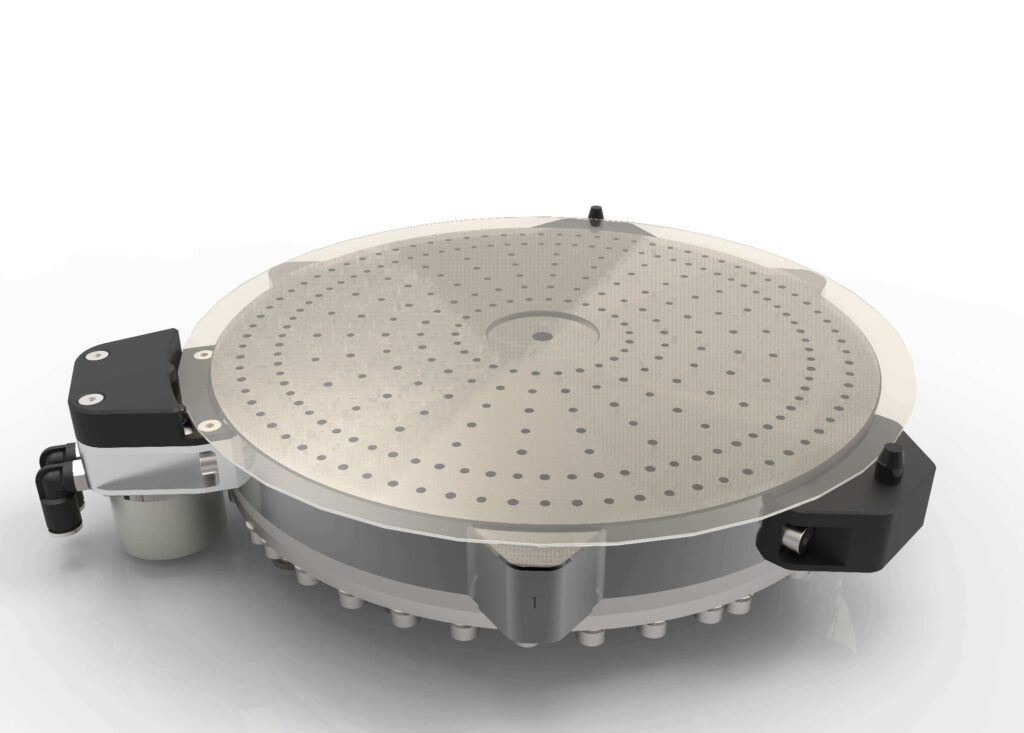
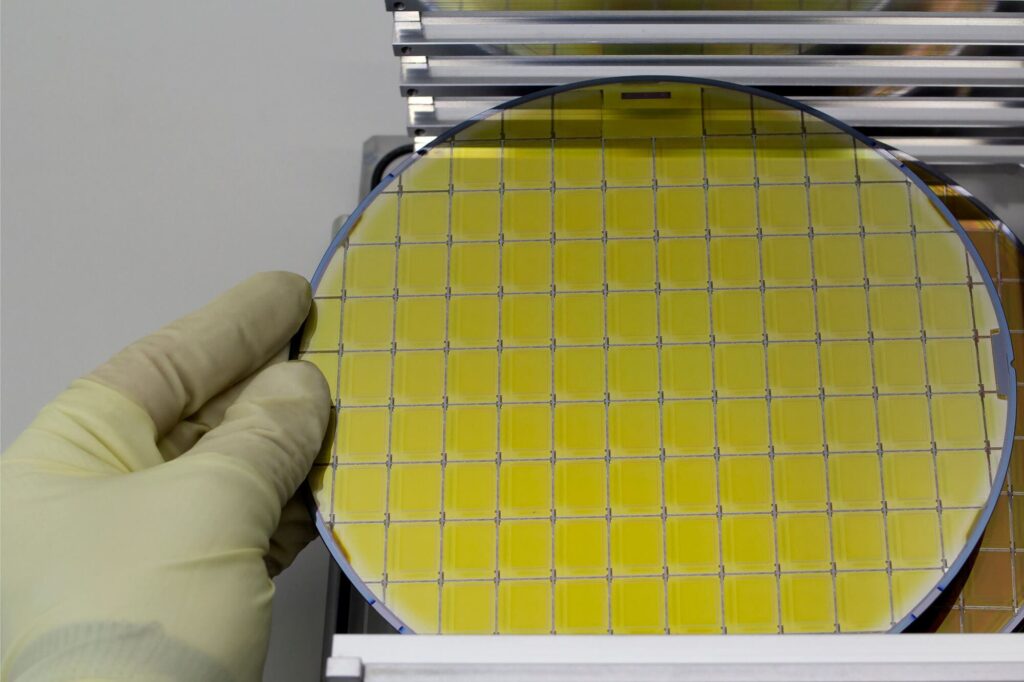
A wafer holder is a precision tool that securely holds silicon wafers in place during various stages of semiconductor manufacturing. Its main job is simple: to secure the wafer without damaging it, whether the system is spinning, under vacuum, or exposed to heat, gas, or plasma. This tool supports the wafer from underneath or around the edges, depending on the process. Even the slightest shift can cause pattern misalignment or result in thin-film defects. And if particles dislodge from the holder, they can land on the wafer, potentially leading to circuit failure.
In automated fabs, wafer holders are built to match the needs of robotic tools. They must allow fast, repeatable loading and unloading, often by vacuum or mechanical arms. The holder’s design must not interfere with scanners, sensors, or airflow, and it must withstand repeated exposure to high temperatures, corrosive gases, and cleaning chemicals. Here’s a detailed overview from VacGen on electromechanical devices in semiconductor fabs, highlighting how vacuum chucks secure wafers during ion implantation and precision processes.
You may also hear wafer holders referred to by other names, such as wafer chucks, wafer carriers, substrate holders, or process plates. Some are designed for single wafers, while others support the batch processing of multiple wafers simultaneously. No matter the name or shape, the function remains the same: holding the wafer securely, with no slippage, scratching, or contamination.
Wafer Size Considerations: 200mm vs 300mm
Holders are designed specifically for wafer size. 200mm (8-inch) and 300mm (12-inch) wafers are the most common, and they differ not just in size but also in automation format, handling speed, and weight. Larger wafers require stronger, more stable holders to support the extra weight without bowing or slipping. Their handling systems also differ, so using the wrong holder can cause loading errors or damage to the tool. For better understanding, read our complete guide on Wafer Handling Components.
Single-Wafer vs Batch Processing
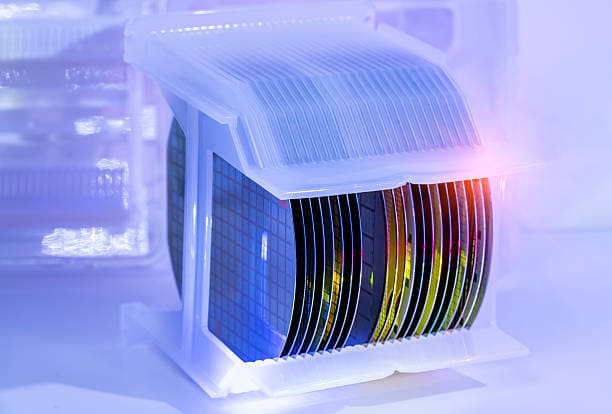
Some tools process wafers one at a time using a single-wafer holder. These setups are common in advanced fabs where process control and uniformity are key. Other tools, especially in older or high-volume lines, process wafers in batches, using carriers or boats that hold multiple wafers vertically or horizontally. These batch holders are usually made from quartz or high-purity ceramics, and they must maintain consistent spacing to ensure even processing across all wafers.
How Wafer Holders Are Used in Semiconductor Processes
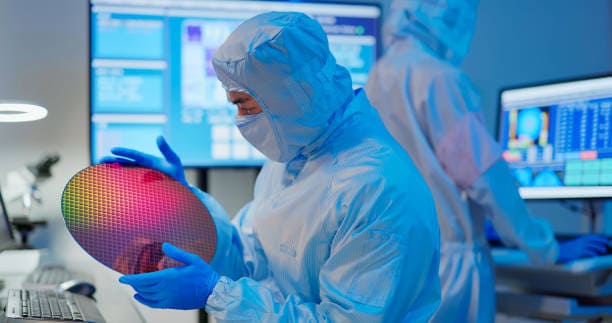
Wafer holders play a crucial role in nearly every step of semiconductor manufacturing. Each stage in the fab places unique demands on the holder, from temperature and pressure to cleanliness and movement. Here’s how they’re used throughout the process:
1. Lithography
During lithography, a wafer is coated with photoresist and exposed to UV light through a photomask. For this step, the wafer must be positioned with extreme precision, often within sub-micron tolerances. The holder, commonly referred to as a wafer chuck in this step, maintains the wafer’s flatness, stability, and alignment as it moves through the scanner or stepper. Many systems use vacuum chucks with ultra-smooth surfaces to prevent the wafer from shifting, curling, or vibrating during exposure. A poor fit here can blur the pattern and ruin the die yield.
2. Etching
Etching processes (both dry and wet) remove material from the wafer to create patterns or features. In plasma etching, the wafer is placed inside a vacuum chamber and bombarded with reactive ions. The wafer holder must keep the wafer in place under vacuum and often needs to withstand high-energy plasma, heat, and chemical exposure. Electrostatic chucks (ESCs) are standard here because they can hold wafers with a strong electrostatic force, eliminating the need for mechanical clamps that could damage the edges.
3. Deposition (CVD/PVD)
In deposition steps such as chemical vapor deposition (CVD) or physical vapor deposition (PVD), thin films are deposited on the wafer surface. These chambers expose the wafer to high heat and sometimes corrosive gases. The wafer holder must withstand high temperatures, resist reacting with the process gases, and remain dimensionally stable to maintain a uniform film thickness. Quartz or ceramic holders are often used in these environments because they stay stable and clean under thermal stress.
4. Wafer Cleaning
After key steps like etching or deposition, wafers are cleaned using spin, brush, or immersion cleaning systems. Cleaning removes particles, resists residue, and prevents the formation of films. Holders used here must support the wafer evenly without scratching the surface. Many cleaning stations use edge-grip holders that touch only the outer edge of the wafer, or non-contact handling systems that float the wafer on a cushion of air or fluid.
5. Inspection and Metrology
At several points in the process, wafers are inspected for defects, layer thickness, alignment, or critical dimension (CD) measurements. These tools use optics, lasers, or electron beams to scan the wafer surface. Wafer holders in metrology systems must position the wafer precisely and repeatably. Vibration, tilt, or uneven support can throw off measurements. Many use kinematic mounts or vacuum stages to ensure reliable results without damaging the wafer.
Key Wafer Holder Design Features That Impact Performance
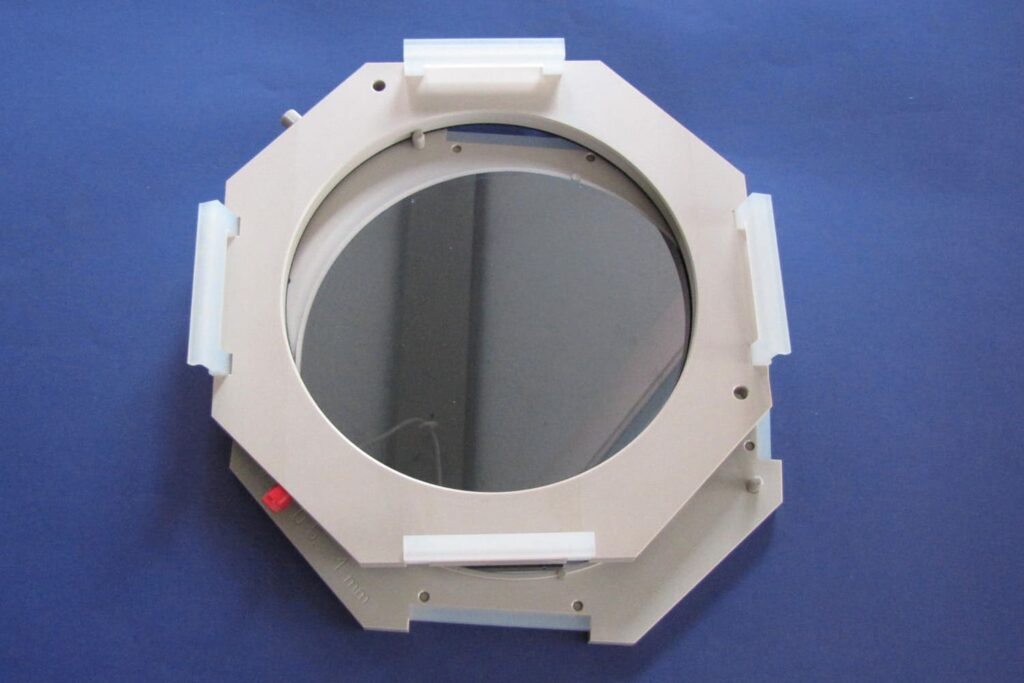
A wafer holder is a carefully engineered component designed to keep wafers stable, clean, and perfectly aligned. The design details behind it directly affect how well it performs under pressure, heat, or motion. Here’s a breakdown of the most essential features that engineers and fab designers need to consider.
1. Vacuum Channels or Clamping Features
Many holders use vacuum channels to pull the wafer down and hold it firmly in place. These are built into the top surface as shallow grooves or holes connected to a vacuum source. They offer a firm grip without mechanical parts, which helps prevent damage.
In high-end processes like etching or lithography, electrostatic clamps (ESCs) replace vacuum. They use voltage to attract and hold the wafer, which works better in plasma or high-vacuum conditions. These clamps reduce particle risk and allow ultra-clean holding.
2. Alignment Features and Notch Support
To keep wafers properly aligned, holders often include alignment pins, notches, or edges that match the wafer’s orientation notch. This ensures the wafer loads uniformly every time, which is critical for multi-step patterning or dual-sided processing. In automated systems, the holder may also work in conjunction with a robotic arm or vision system that verifies the wafer’s position before the process begins.
3. Support Zones That Prevent Warping or Damage
Good wafer holders support the wafer evenly but lightly. Most designs only make contact at the edge or a few minor support points underneath. This prevents micro-cracks, thermal stress, or backside contamination. In some systems, like vacuum chucks or electrostatic holders, the support surface is carefully machined with tiny pockets, grooves, or raised contact pads. This reduces the physical contact area and minimizes the risk of sticking or scratching.
4. Tight Tolerance and Dimensional Stability
Wafer holders must be machined to extremely tight tolerances, often within a few microns. If the holder is even slightly warped or uneven, the wafer will not sit flat, and this can compromise pattern accuracy or film thickness. Dimensional stability also matters under heat. Materials must resist thermal expansion, or the holder may change shape during the process. This is why high-purity ceramics and SiC are commonly used in high-temperature tools.
5. Textured or Polished Surface Finishes
Depending on the process, the holder surface may be polished to a smooth finish or left with a slightly textured finish. Smooth finishes reduce sticking and make cleaning easier, while textures can help wafers vent trapped air during loading. In either case, surface roughness must be controlled to avoid particle generation or backside contamination. Some tools specify polishing down to sub-micron finishes to meet cleanroom requirements.
6. Non-Contaminating Construction
Every part of the holder must be non-shedding, non-outgassing, and chemically stable. Materials that flake, absorb chemicals, or release vapors can contaminate the wafer. Holders used in cleanrooms are often ultra-polished and made from traceable, certified materials. Many fabs require full lot tracking and documentation for critical tools like these.
Off-the-Shelf vs. Custom Wafer Holders: When to Choose Which
Not all wafer holders require custom-made designs. In many cases, standard catalog options can suffice. However, when your process becomes more specialized or when high yield and reliability are critical, custom wafer holders start to make more sense.
Here’s how to decide:
When Off-the-Shelf Wafer Holders Work Well
Catalog holders are ready-made parts that come in fixed sizes, shapes, and materials. They’re usually designed around industry standards, such as 200mm or 300mm wafers, with general-purpose use in mind.
They’re a smart choice when:
- You’re running a standard process setup, such as spin cleaning, low-temperature transport, or wafer drying.
- Budget and lead time are key concerns.
- You don’t need special features like gas channels, edge-only supports, or high-temp resistance.
Off-the-shelf holders are also easier to replace, and most suppliers keep them in stock. That means faster delivery and lower cost, especially for fabs with tight turnaround times.
When It’s Worth Investing in Custom Wafer Holders
Suppose you’re dealing with a non-standard wafer size, a unique substrate material (such as sapphire or glass), or a process that involves extreme temperatures, plasma, or vacuum. In that case, custom is often the better choice.
Here’s when to consider going custom:
- You need tight control over wafer flatness or alignment.
- Your process involves the use of aggressive chemicals or complex thermal cycles.
- The holder must work with specific robotic tools, sensors, or automation stages.
- You’re scaling production and need repeatable performance to avoid defects.
With a custom design, every part of the holder can be tailored from the surface material to the clamp design to match exactly what your tool and process demand. This leads to better yields over time.
What to Tell Your Supplier for the Right Fit
To obtain the correct wafer holder, whether off-the-shelf or custom, your supplier requires solid input. Here’s the kind of information that makes a big difference:
- Wafer size and thickness (e.g., 300mm x 775µm)
- Substrate type (e.g., silicon, gallium arsenide, glass)
- Tool type or chamber model, the holder will be used in
- Temperature range and chemical exposure expected
- Whether the holder needs to work with vacuum, plasma, or high voltage
- Handling method (robotic arm, vacuum pickup, manual tray)
If you’re going custom, also include tolerance requirements, preferred materials, and any cleanroom classifications the holder must meet.
Wafer Holder Design Tips You Should Know
Getting a wafer holder right means thinking beyond just the shape. From material to surface finish to how it handles heat and automation, the most minor details can make a big difference. Here are key design tips professionals follow when designing or sourcing wafer holders for semiconductor use.
1. Avoid Sharp Contact Points
Wafers are fragile and can crack with very little force. That’s why good holders are designed to support the wafer only where needed, often just at the edge or with soft-touch pads. Sharp corners, narrow supports, or large contact areas should be avoided, especially on the backside. These can cause stress fractures or trap particles. Instead, designs should include rounded supports, cushioned clamps, or vacuum pockets that apply gentle, even pressure.
2. Use Non-Shedding, Low-Friction Finishes
Particle contamination is one of the most significant risks in semiconductor manufacturing. That’s why holders must have surfaces that don’t shed particles or create friction during wafer movement. Rough or uncoated surfaces can flake or trap debris, which might transfer onto the wafer during handling or processing. Polishing, coating, or using dense, non-porous materials, such as alumina, quartz, or SiC, helps maintain clean surfaces. Low-friction finishes also prevent scratches and make cleaning easier after use.
3. Plan for Thermal Expansion Without Warping
Many process steps expose the wafer holder to high temperatures, especially during deposition or etching. If the material expands too much or unevenly, the holder can warp, leading to wafer misalignment or cracking.
Manufacturers often choose materials such as silicon carbide, quartz, or stabilized ceramics because they retain their shape when subjected to heat. Always ensure the holder design allows for uniform thermal expansion, especially when mixing materials (such as a metal frame with a ceramic insert). Even minor distortions can affect precision in high-resolution tools.
4. Add Handling Features for Robots or Vacuum Arms
In modern fabs, most wafer movement is handled by automated robotic systems. A good wafer holder should work seamlessly with these systems by incorporating pickup zones, vacuum access points, or alignment marks that facilitate smooth and error-free loading and unloading. If the holder is hard to grip or align, it can slow down the process or cause misplacement. Even small additions, such as beveled edges or guide slots, can make it easier for robots to handle the holder without damaging the wafer.
5. Consider Modular or Custom Designs for Flexibility
Not every fab runs the same process, so a one-size-fits-all holder doesn’t always work. Modular holders allow users to swap parts, such as support plates or clamps, without needing to replace the entire unit. This saves time and money when switching between wafer sizes or process setups.
For more specific needs, custom wafer holders are often the best choice. If you’re running a high-temperature process, using odd-sized wafers, or integrating a new tool, a custom holder built around your exact specs will always perform better than adapting a standard one.
6. Ensure Cleanroom Compatibility From Start to Finish
Semiconductor cleanrooms are strict about contamination. That includes outgassing, static buildup, and foreign materials. Every part of the holder, from the body to the fasteners and label, must meet cleanroom standards.
Select materials with low particle generation and chemical resistance, and ensure the final holder is thoroughly cleaned and vacuum-sealed before entering the fab. Packaging should also prevent contamination. Plus, for traceability, your supplier should be able to provide complete material certifications and batch tracking.
Conclusion
Wafer holders are essential in semiconductor manufacturing. They keep wafers stable, clean, and precisely aligned during every process step, whether it’s lithography, etching, deposition, or cleaning. Design choices, such as material, surface finish, support structure, and temperature tolerance, all play a crucial role. Understanding how wafer holders work and what makes them reliable helps you make better choices that protect both the wafer and the process.
At Richconn, we specialize in high-precision components for demanding industries, such as semiconductor manufacturing. Whether you need a wafer holder or any custom-machined component, we’re here to deliver quality, accuracy, and fast turnaround. Our team is ready to support your project from start to finish. Reach out today, let’s make it happen.
FAQs
Can wafer holders be reused across different process steps?
Yes, but only if the materials and design are compatible with all the steps involved. For example, a holder used in plasma etching may not be suitable for a wet cleaning process. Reusing holders without checking chemical and thermal compatibility can lead to contamination or warping. Always verify material limits and clean thoroughly between uses.
How do I clean or prep wafer holders for cleanroom use?
Most wafer holders should be cleaned with ultra-pure water, IPA, or approved semiconductor-grade solvents. Avoid abrasive scrubbing. After cleaning, dry with filtered air and store in cleanroom-safe packaging. For best results, follow the cleaning guidelines provided by the holder manufacturer or refer to SEMI E49 standards.
Are polymer holders safe for high-temp applications?
Not always. Some polymers, such as PEEK or PPSU, can withstand moderate temperatures, but they may deform or outgas under extreme heat conditions. For high-temperature steps, such as CVD or plasma etching, materials like quartz, SiC, or alumina ceramics are more reliable. Always match the material to your process environment.