
Failures and leaks do happen in pressurized systems and costs a lot. High pressure valve cores solve these problems. They provide long life, strong sealing and accurate flow control in harsh environments. In this blog post we will explain the types of valve cores, their parts, uses and maintenance tips.
What are High Pressure Valve Cores?
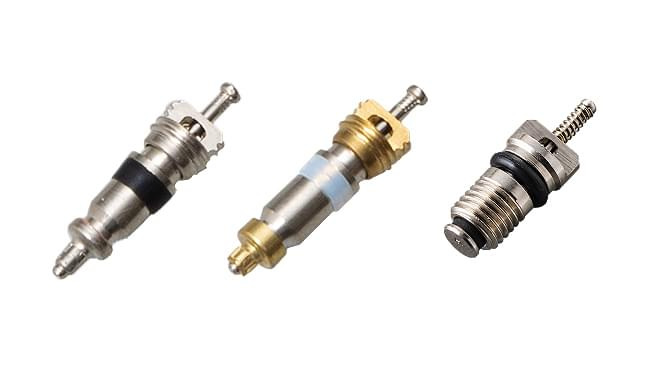
In simple terms, high pressure valve cores are small devices with a spring mechanism. These cores control the flow of air, fluid or gas in pressurized systems. They fit into threaded cavities and can handle up to 4,000 psi. If you activate the core it opens and allows fluid to flow; and when you release it the core seals tightly and stops leaks.
Parts of High Pressure Valve Cores
1. Valve Core
Inside the valve core is a spring loaded pin that controls the flow of fluid. This cartridge has an elastomeric sealing washer and a long actuation shaft. Pressing the pin lifts this shaft from its seat so pressurized media can flow through. A spring then pushes the pin back to close the valve when pressure drops.
2. Valve Stem
Valve stem surrounds the core and connects it to the rest of the system. Manufacturers use strong materials like brass or stainless steel to build the stem which helps it to prevent leaks and resist high pressure. Stem then carries the force from the actuator to the core so it can open and close precisely.
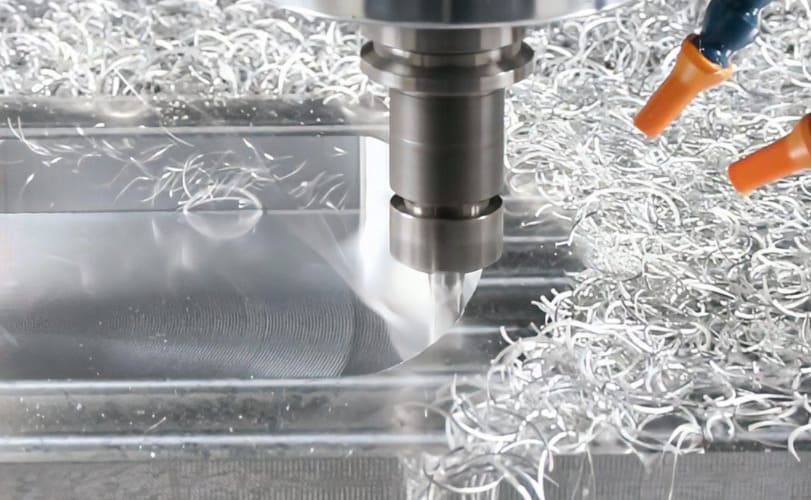
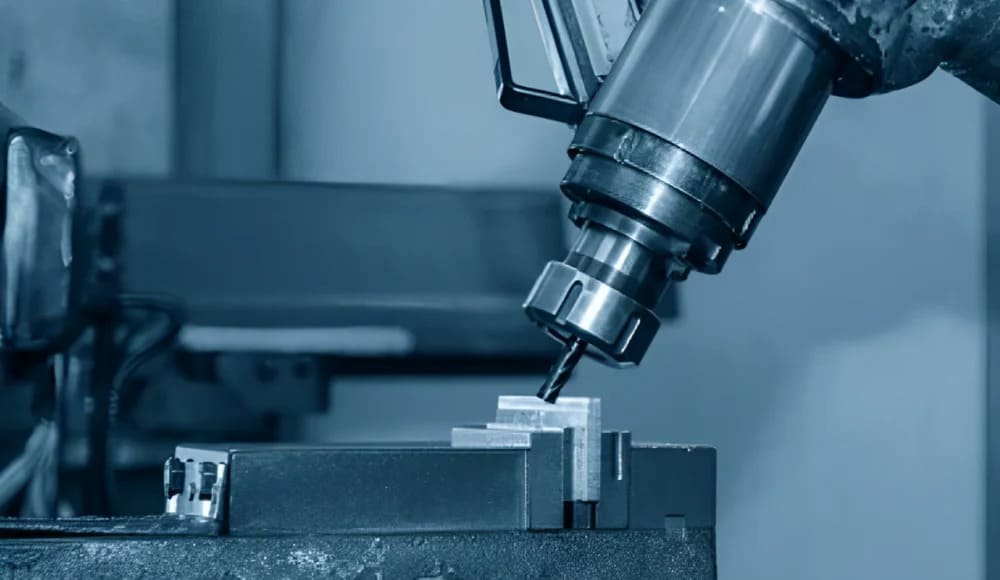
At RICHCONN, we use advanced CNC machining to produce these stems with tolerances of ±0.005mm. This assures the seal stays aligned even at 4,000 PSI.
3. Seal
Seal blocks the leaks between the valve core and its housing. Manufacturers use materials like Viton, Teflon or EPDM because they resist chemicals and can withstand extreme temperatures. A good seal keeps the valve shut tight even in harsh environments and can last for thousands of cycles.
Types of High Pressure Valve Cores
Schrader Valve Cores
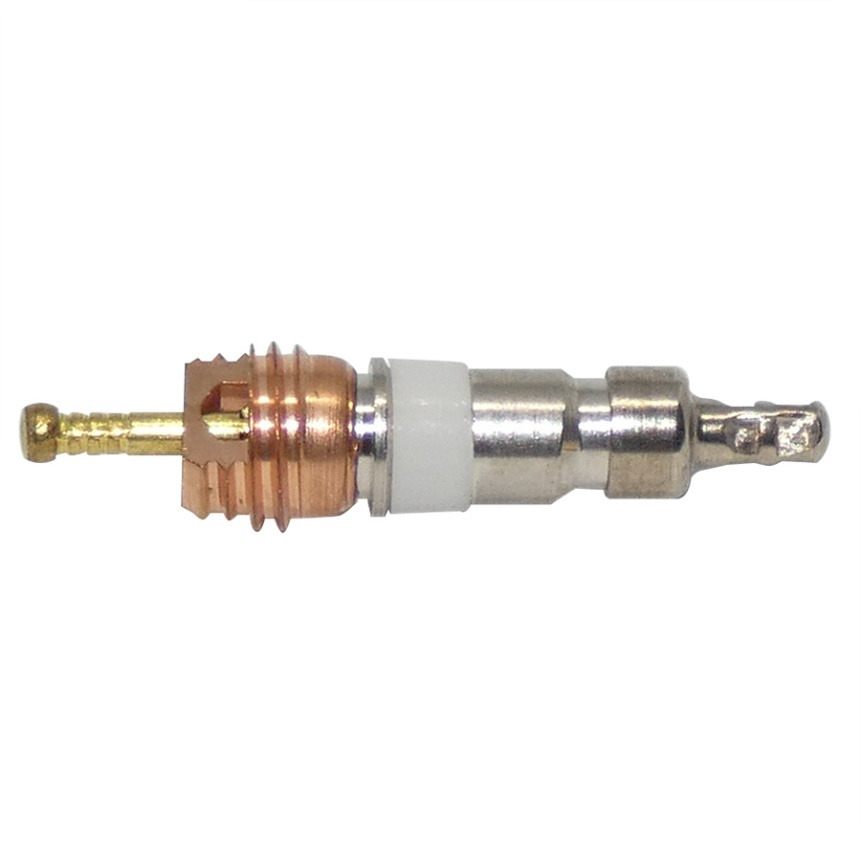
Schrader valve cores are the most common cartridge type check valve assemblies. They have spring loaded pins inside threaded tubular housings which screw into matching cavities. Most Schrader valves work at pressures from 200 to 800 psi. These cores use soft elastomeric seating washers and external PFA static seals to operate reliably. They control the flow of nitrogen, air, oils and refrigerants like R1234yf & R134a.
Dunlop Valve Cores
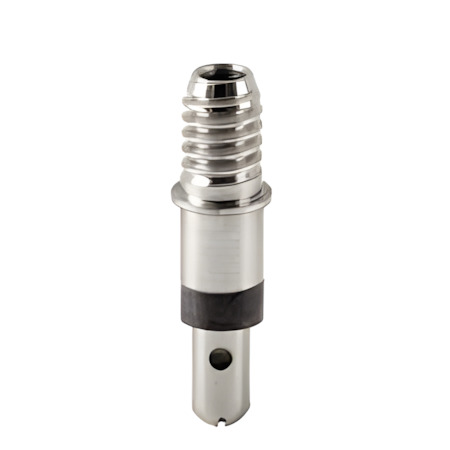
Dunlop valve cores, also known as English or Woods valves, have a wide base that fits many standard rim holes. Modern Dunlop cores use a spring loaded plug or ball. This design makes maintenance & inflation easy and no special tools are needed.
These valves are common on e‐bikes and city bikes in Asia and Europe. They support pressures from 2 to 6 bar and are very simple & robust; this makes them suitable for everyday cycling.
Presta Valve Cores
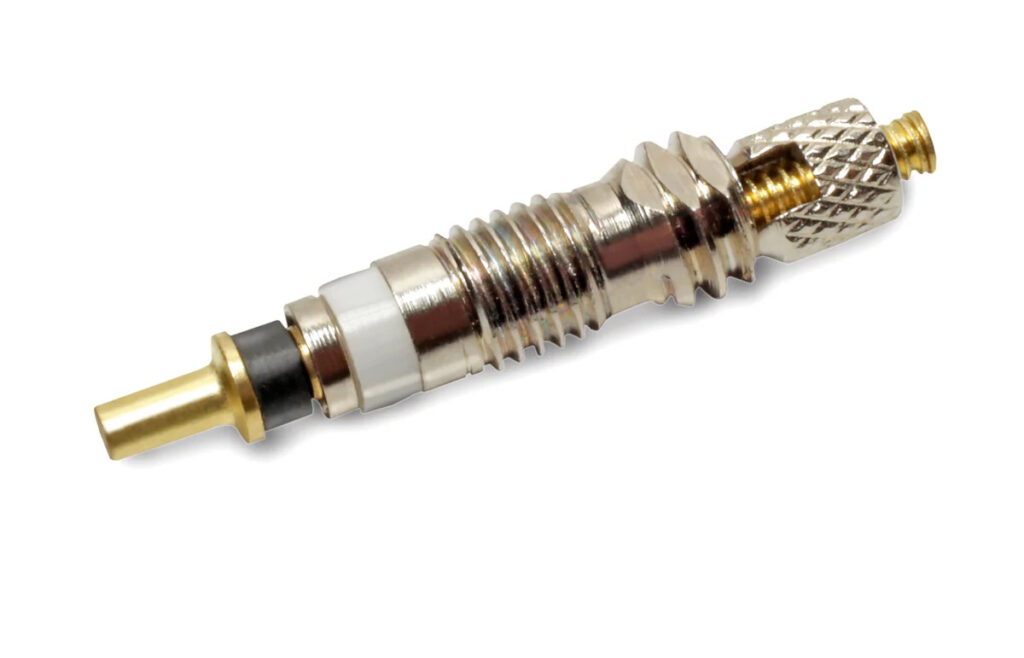
Presta valve cores are used in cycling – particularly in high performance bicycles. They are slimmer than Schrader valves. Due to this, they require a smaller rim hole which keeps the wheel strong.
These lightweight cores let users adjust pressure precisely by manually operating the valve stem. Many Presta cores are removable which makes maintenance and tubeless tire installation easier.
Specialized High‐Pressure Valve Cores
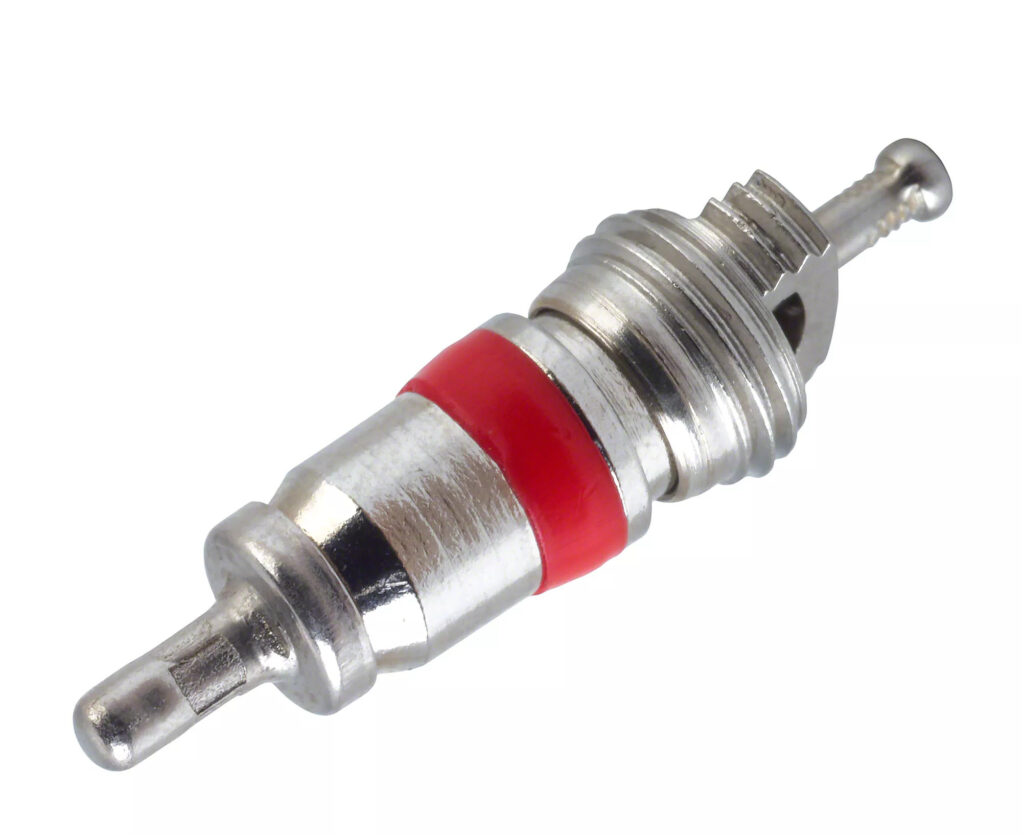
Specialized high‐pressure valve cores can withstand pressures up to 550 bar. Manufacturers build these precise units with stainless steel and makes sure they meet MS/AN standards. Some modern models have a safety feature that alerts the user when the pressure is not released or the valve is separated.
These cores work at static pressures from 250 to 550 bar. They work with aircraft hydraulic refrigerants and fluids like R410A & R134a.
Uses of High Pressure Valve Cores
Automotive
High pressure valves control airflow in tire valve stems and fuel delivery in combustion engines. Tire Pressure Monitoring Systems (TPMS) depend on these cores for accurate readings and to prevent leaks. Modern driver‐assistance systems use valve cores to monitor emissions and to enable smart features in components.
Aerospace and Military
Military & aerospace systems rely on valve cores for critical work. These parts manage hydraulic actuators, fuel systems and landing gear struts, up to 2,000 PSI. Military ships use pressure relief valves in weapons elevation, propulsion and nuclear cooling systems.
Industrial Uses
Industrial valve cores regulate flow in chemical plants, gas & oil pipelines and manufacturing sites. In petrochemical refineries and plants, these systems work at pressures above 6,000 bar. Ball valve cores guarantee tight sealing from hazardous materials and also for water treatment.
Medical
Medical devices use specialized valve cores for ventilators, oxygen delivery and diagnostic machines. These cores use piezo technology to be quiet and to consume low power, which is important in patient‐care environments.
Proportional valves control gas flow in anesthesia & surgical insufflation equipment. These systems need extremely low leak rates to comply with FDA regulations.
Maintenance Tips for High Pressure Valve Cores
Regular Inspection
Inspect valve cores regularly for leaks, wear or corrosion. Look for cracks, loose fittings or damaged seals. Moreover perform a complete Inspection every 3‐6 months depending on usage and operating intensity. Finding problems early prevents costly downtime and failures.
Lubrication
Apply a synthetic, water‐insoluble lubricant to the moving parts and valve stem; as lubrication stops corrosion, reduces friction and helps the valve operate smoothly. Don’t over lubricate as extra lubricant collects dirt and can clog, particularly in high‐pressure systems.
Cleaning Procedures
Keep valve cores free from dirt, dust and buildup by wiping with a brush or soft cloth. For thorough cleaning, take the valve apart and use cleaners that match the valve’s material. Clean internal parts and the seals to prevent blockages and to keep everything running smoothly
Pressure Testing
Set up pressure tests at 1.5 times the rated pressure and run the test for 2‐3 minutes. Raise the pressure slowly to prevent sudden spikes. Use pressure gauges that are calibrated for 1.5‐4 times the test pressure to check for leaks. Monitor any pressure changes and note any issues you find.
Seal Replacement
Use correct tools such as seal removal tools and spring compressors to prevent damage. Before installing new seals, clean the valve stems and guides completely. Apply a thin layer of engine oil to every new seal. Make sure seals line up with the valve stem grooves. Use seal installers to install the seals gently and accurately.
To Sum Up
High pressure valve cores have a crucial role in assuring reliable & safe flow control in many industrial fields including aerospace and automotive. Knowing about these valves will reduce the risk of expensive failures and increase equipment life.
For high‐quality and precision manufactured valve cores reach out to Richconn for your next project.
Related Questions
How do high‐pressure valve cores protect a system?
When system pressure goes above a set limit, high‐pressure valve cores open to release extra pressure. This action prevents over pressurization which can damage equipment, the system or people.
Does a faulty valve core affect tire pressure and performance?
Yes a faulty valve core lets air escape. This results in low tire pressure, less fuel efficiency and a higher chance of tire blowouts.
What materials are mostly used in high‐pressure valve cores?
Manufacturers mostly use carbon steel, alloy steel, stainless steel grades like 304SS & 316SS, Monel alloy, Hastelloy, titanium alloy and special elastomers for gaskets and seals.
What are the warning signs when a valve core needs servicing?
Leaks you can see, pressure drops often, hissing sounds, corrosion or brittleness, mineral buildup, seals or springs look worn‐ out are some signs.
How often should valve cores be changed in high pressure systems?
How often to change depends on manufacturer’s recommendation as well as country regulations and valve’s usage. Most systems need to be replaced every 3 to 5 years or sooner if inspection or standards need it.