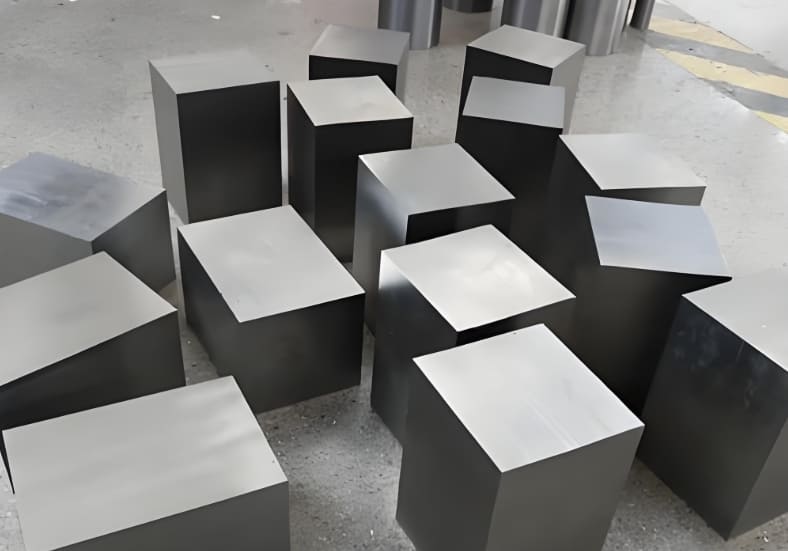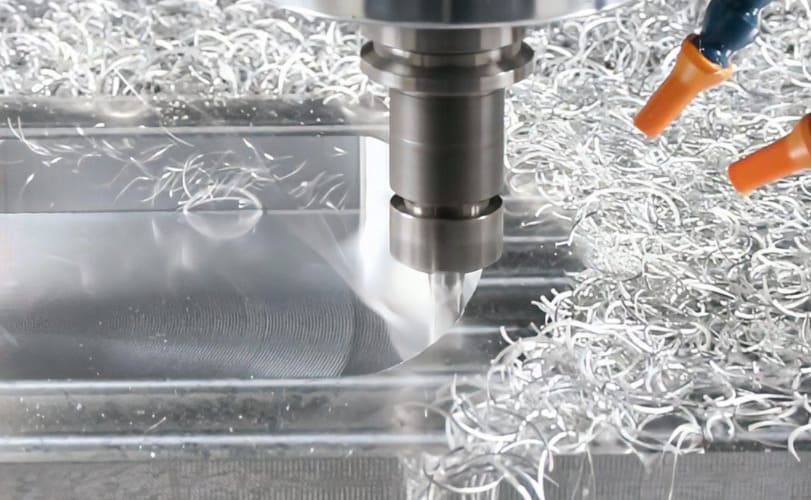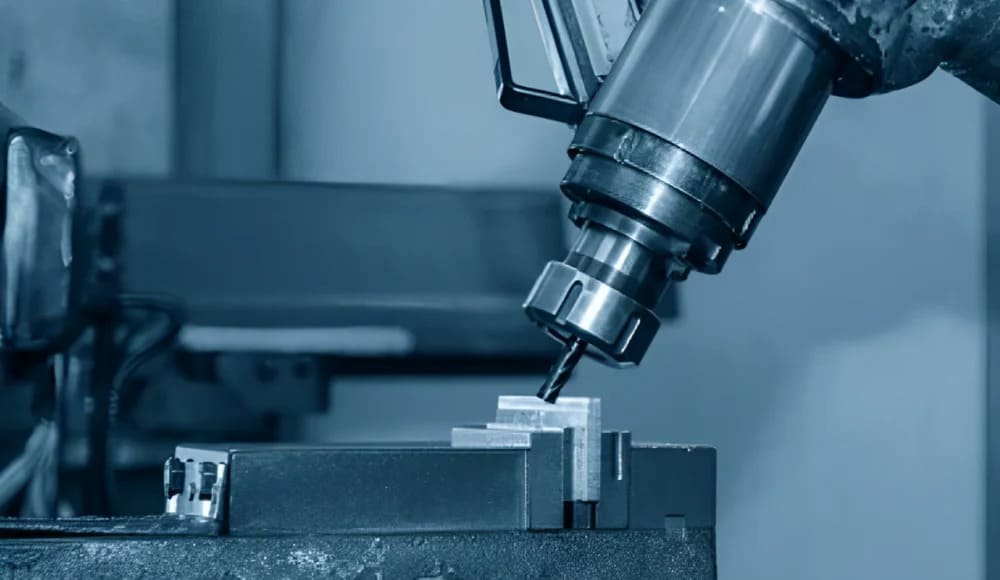

Titanium stands as one of the most valuable industrial metals, prized for its exceptional strength-to-weight ratio and corrosion resistance. For procurement specialists, engineers, and industrial buyers, understanding the cost of titanium per pound is essential for effective budgeting and project planning. This comprehensive guide examines the key factors influencing titanium pricing, current market trends, and strategic approaches to optimize your titanium purchases in today’s dynamic market.
Overview of Titanium
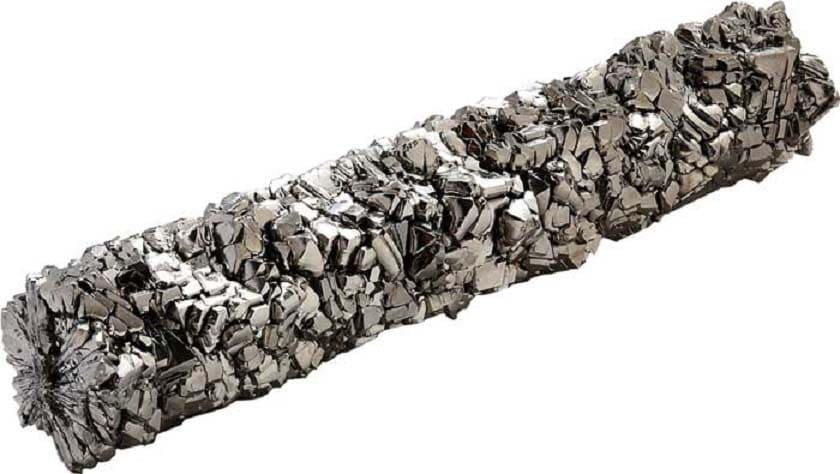
Titanium is a silver‐gray metal with extraordinary properties. Its strength‐to‐weight ratio and resistance to corrosion make it unique. The metal weighs only 4.51 g/cm³ which puts it in a distinct positionlighter as compared to steel but a lot stronger. Its high melting point of 1668°C guarantees structural stability even in very high temperatures.
This property makes titanium indispensable for industrial & aerospace applications. This metal is also good for medical use due to its biocompatibility. Its resistance to extreme environments further strengthens its value in the chemical processing and aerospace sectors.
See Also: Titanium vs. Tungsten
Key Titanium Grades and Their Prices
| Grade | Composition | Typical Applications | Price Range (per pound) |
|---|---|---|---|
| Grade 1-2 (CP) | Commercially Pure | Chemical processing, desalination, architectural | $6-$9 |
| Grade 5 (Ti-6Al-4V) | 6% Aluminum, 4% Vanadium | Aerospace, medical implants, high-performance parts | $10-$15 |
| Grade 7 (Ti-0.2Pd) | 0.2% Palladium | Chemical processing, aggressive environments | $12-$18 |
| Grade 23 (ELI Ti-6Al-4V) | Extra-Low Interstitial Ti-6Al-4V | Medical implants, critical aerospace components | $15-$25 |
Current Cost of Titanium Per Pound (2025)
As of 2025, titanium prices vary significantly based on grade, form, and market conditions.
Titanium Price Ranges by Form:
Commercially Pure Titanium
Price Range: $6-$9 per pound
Grades 1-4 titanium offers excellent corrosion resistance and weldability, making it ideal for chemical processing equipment, heat exchangers, and architectural applications where strength requirements are moderate.
Titanium Alloys (Grade 5)
Price Range: $10-$15 per pound
Ti-6Al-4V (Grade 5) is the most widely used titanium alloy, offering superior strength and heat resistance for aerospace components, medical implants, and high-performance automotive parts.
Titanium Scrap
Price Range: $2-$4 per pound
Recycled titanium provides a cost-effective alternative for less demanding applications. Prices vary based on purity, contamination levels, and processing requirements.
Titanium Sheets
Price Range: $15-$30 per pound
Sheet titanium commands higher prices due to additional processing costs including rolling, annealing, and finishing. Pricing varies by thickness, with thinner sheets typically costing more per pound.
Titanium Rods and Bars
Price Range: $12-$25 per pound
Titanium bars and rods are priced according to diameter, with smaller diameters generally commanding higher per-pound prices due to more intensive processing requirements.
Titanium Powder
Price Range: $30-$60 per pound
Used primarily in additive manufacturing and powder metallurgy, titanium powder represents the premium end of the market due to specialized production processes and strict particle size requirements.
Main Factors that Affect Titanium Prices
A number of important factors combine to determine titanium prices:
1. Raw Material Costs
Titanium extraction demands complex processes. Manufacturers mainly use the Kroll method to process minerals such as rutile & ilmenite. These operations need special equipment and considerable energy which results in high costs. The lack of easily extractable mineral deposits further increases mining costs & complexity.
2. Supply and Demand Dynamics
The relationship between supply & demand directly affects titanium prices. When its demand increases in industrial sectors such as medical, aerospace & renewable energy, prices also increase. On the other hand prices decrease during decline in industrial operations or periods of abundant supply.
3. Technological Innovations
Modern technologies are changing how titanium is produced. Innovations such as FFC Cambridge process & 3D printing are bringing positive changes to manufacturing efficiency. These developments have ability to decrease production costs in future which will make titanium prices even more affordable.
4. Geopolitical Factors
Supply chains are periodically disrupted by political instability in leading producing countries such as China & Russia. Trade restrictions, conflicts such as the situation in Ukraine as well as sanctions create market uncertainty. These conditions can drive up prices and limit availability.
5. Global Economic Situations
The global economy directly affects titanium prices. Healthy economic growth usually increases demand & also supports higher prices. On the opposite economic downturns decrease demand and push prices down. Markets also react to inflation rates and changes in currency values.
Historical Price Trends
2000 to 2010
In the early 2000s titanium prices remained low. Due to low industrial demand, scrap titanium sold for $2 to $3 per pound. Increased use of titanium alloys in aerospace industry drove prices to $6 to $7 dollars per pound by 2006. During the 2008 financial crisis, prices fell sharply to $3 to $4 per pound.
2011 to 2020
Consistent demand from the medical sectors & aerospace industries kept prices between $4-$6 per pound from 2011‐2014. Chinese oversupply decreased prices to $3 to $4 per pound in 2015 to 2016. The development of 3D printing technology helped prices recover to $5 to $7 per pound by 2020.
2021 to Present
Growing demand from the renewable energy sector & aerospace industries pushed prices up to $7 to $9 per pound in 2021. By 2023 regional price differences rose, with prices being higher in Asian markets due to strong manufacturing demand in contrast to European & US markets.
How Industry Applications Affect Titanium Pricing
Different industrial uses affect the market prices of titanium. Here are the main sectors:
Automotive Industry
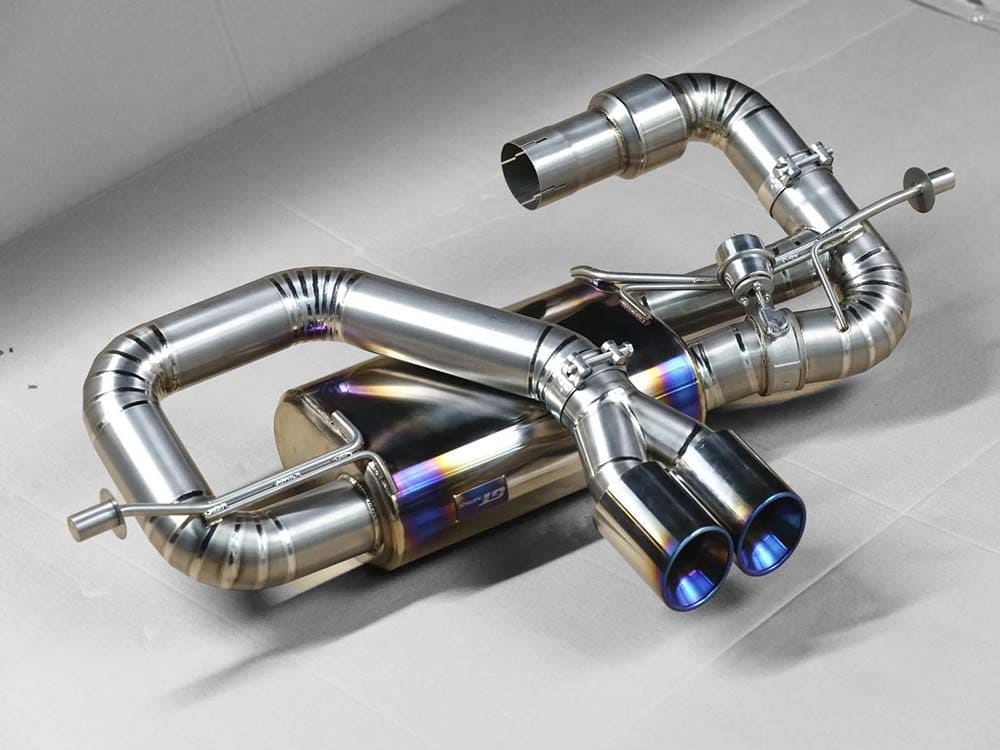
Automotive applications remain price-sensitive, with titanium usage limited to high-performance components where weight savings justify the $10-15 per pound cost. Electric vehicle development is creating new opportunities for titanium in battery enclosures and structural components.
The automotive sector’s growing focus on lightweighting and extended vehicle ranges may increase titanium demand in coming years.
Aerospace and Defense
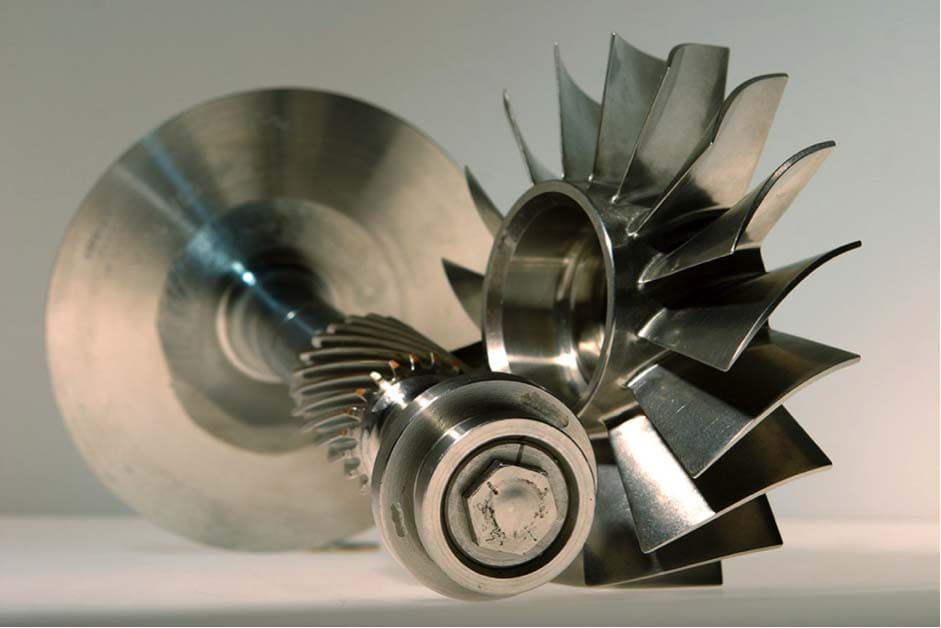
The aerospace sector consumes approximately 50% of global titanium production, making it the primary price driver. Aircraft manufacturers require aerospace-grade titanium that meets stringent certification standards, commanding premium prices of $12-20 per pound.
Long-term supply contracts between major producers and aerospace companies can stabilize pricing but also create supply constraints for other buyers during production ramp-ups.
Energy and Marine
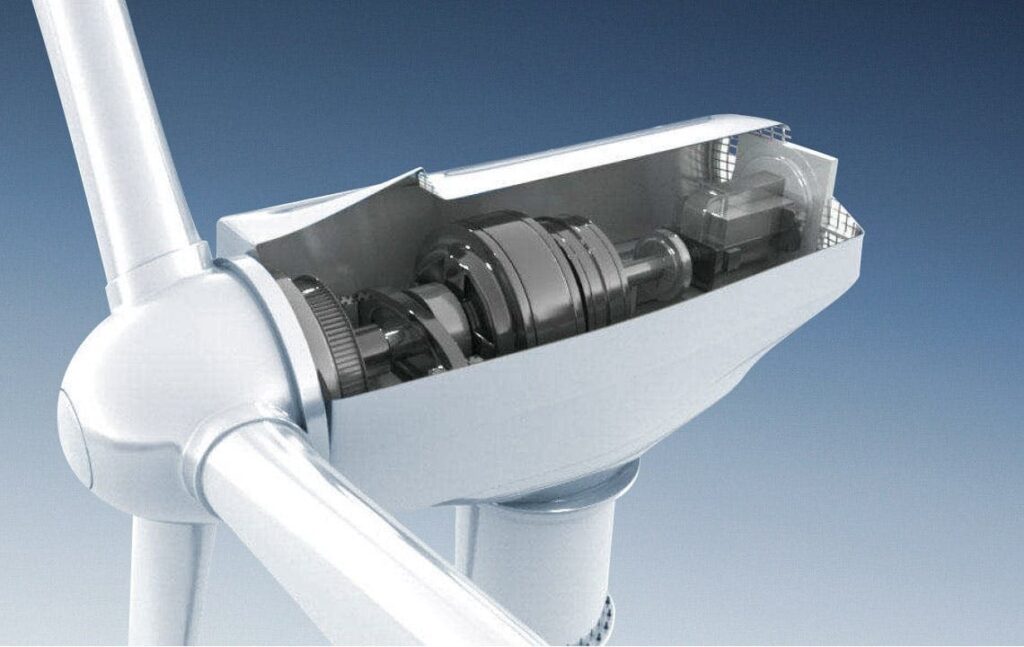
Offshore energy and marine applications leverage titanium’s corrosion resistance in saltwater environments, with prices ranging from $8-14 per pound. These applications prioritize long-term performance over initial cost, focusing on total lifecycle economics.
Growing offshore wind development is creating new demand for corrosion-resistant titanium components.
Medical and Dental
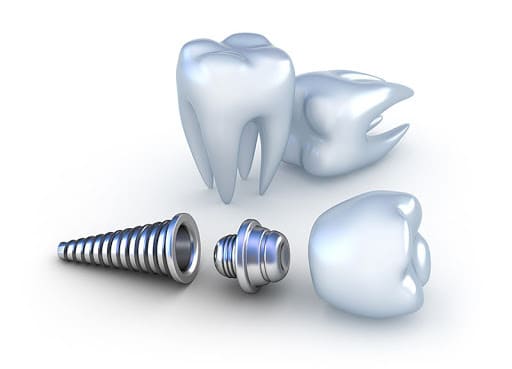
Medical-grade titanium requires exceptional purity and biocompatibility, with prices ranging from $15-25 per pound. The medical sector prioritizes consistency and traceability over price, creating a stable but premium market segment.
Growing applications in implants, surgical instruments, and dental prosthetics are expanding titanium demand in healthcare, with specialized alloys commanding significant price premiums.
Industrial and Chemical
Chemical processing equipment leverages titanium’s corrosion resistance, with prices typically ranging from $8-12 per pound. This sector often utilizes commercially pure grades (Grade 2) and focuses on long-term cost savings from extended equipment life.
Industrial applications tend to be less sensitive to short-term price fluctuations due to titanium’s superior lifetime value in corrosive environments.
Consumer and Sporting Goods
Consumer applications typically use lower grades or titanium alloys priced at $6-10 per pound. This sector is highly price-sensitive and often first to reduce titanium usage when prices rise.
Premium sporting goods, jewelry, and high-end consumer products represent a small but growing market segment for titanium.
Contrast with Other Metals
Aluminum
Aluminum is as light as titanium but less strong. Its price ranges from $2 to $2.50 per kilogram. This low price makes it attractive to the construction and automotive industries. Still titanium is indispensable in medical sectors and aerospace industries due to its better resistance to corrosion and strength‐to‐weight ratio.
Steel
There is a great difference in the prices of titanium & steel. The price of titanium is between $35 to $50 per kilogram whereas the price of steel is between $1 and $1.50 per kilogram. Steel performs well in automotive & construction applications. Even so it cannot compete with titanium’s lightness and corrosion resistance. These limitations make titanium a better choice for marine and aerospace applications.
Also See: Titanium vs Stainless Steel
Copper
Copper costs between $4-$10 per pound. Its perfect conductivity makes it good for electrical uses. Titanium is more expensive but performs better in extreme conditions because of its great strength & corrosion resistance. These properties support its choice over copper in intense environments.
Strategic Approaches to Titanium Purchasing
Implementing effective purchasing strategies can help organizations optimize titanium costs while ensuring supply chain reliability and material quality.
1. Volume Purchasing
Consolidating purchases to achieve higher volumes can yield discounts of 5-15% through economies of scale. Coordinating requirements across projects or departments helps reach volume thresholds for preferential pricing.
Consider establishing blanket purchase orders with scheduled releases to maintain pricing while managing inventory efficiently.
2. Long-Term Agreements
Negotiating long-term supply agreements (1-3 years) provides price stability and preferential allocation during supply constraints. These agreements often include pricing formulas tied to raw material indices rather than fixed prices.
Include flexibility clauses to accommodate volume fluctuations while maintaining relationship benefits.
3. Specification Optimization
Review material specifications to ensure they’re appropriate for the application without over-specifying. Switching from aerospace to industrial grades where appropriate can yield 20-30% cost savings.
Engage engineering teams early to identify opportunities for grade substitution without compromising performance.
4. Near-Net-Shape Purchasing
Purchasing titanium in forms closer to final dimensions reduces material waste and machining costs. For complex components, consider additive manufacturing or near-net-shape forming to minimize material usage.
Evaluate total cost including material, machining, and scrap value rather than focusing solely on per-pound price.
5. Supplier Diversification
Maintain relationships with multiple qualified suppliers to mitigate supply chain risks and enable competitive bidding. Consider geographic diversification to reduce exposure to regional disruptions or trade restrictions.
Develop relationships with both primary producers and service centers to access different market segments.
6. Scrap Recovery Programs
Implement formal programs to collect, segregate, and monetize titanium scrap generated during manufacturing. High-quality, segregated titanium scrap can retain 30-50% of original material value.
Consider closed-loop arrangements with suppliers where scrap is returned for credit against future purchases.
Future Outlook for Titanium Pricing
Understanding emerging trends and market dynamics helps buyers prepare for future titanium price movements and supply chain developments.
Additive Manufacturing Growth
The expansion of titanium additive manufacturing is creating new demand for specialized titanium powders while reducing material waste in component production. This technology enables complex geometries that were previously impossible or prohibitively expensive to produce.
As additive manufacturing scales up, it may fundamentally alter titanium supply chains and pricing structures for complex components.
Extraction Technology Advances
Research into alternative titanium extraction methods aims to reduce the energy intensity and cost of titanium production. Processes like the FFC Cambridge process and continuous metallothermic reduction show promise for more economical titanium production.
Successful commercialization of these technologies could significantly reduce baseline titanium costs in the coming decade.
Supply Chain Regionalization
Geopolitical tensions and supply chain vulnerabilities are driving efforts to develop more regionalized titanium supply chains. Government initiatives to secure strategic material supplies may reshape global titanium production and pricing dynamics.
This trend could create both challenges and opportunities for buyers as new suppliers enter the market.
To Sum Up
A number of important factors determine the price per pound of titanium. These factors include raw material costs, supply & demand relationships as well as advances in technology. It is very important for companies to understand these factors to make better purchasing decisions.
If you need any kind of CNC machined titanium parts then Richconn is your best option. You can contact us anytime.
Related Questions
Finishing demands with extra processing causes titanium plates to be more costly in contrast to titanium rods.
Ingots are less expensive as compared to sheets & bars. The price increases with particular application needs and extra processing steps.
The comprehensive refinement process for high purity makes refined titanium more costly. Alloys are usually less expensive because they consist of less expensive elements.
Grade V titanium is more expensive in contrast to grade II as it needs complex processing and also contains alloying metals.
Yes prices differ a lot between suppliers. It depends on location of suppliers, their production capacity as well as quality standards. Wholesale suppliers usually give better prices as compared to retailers.