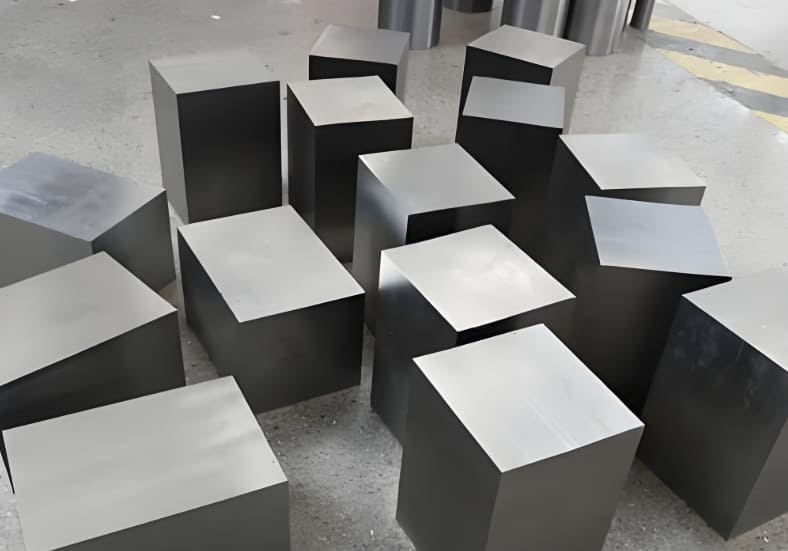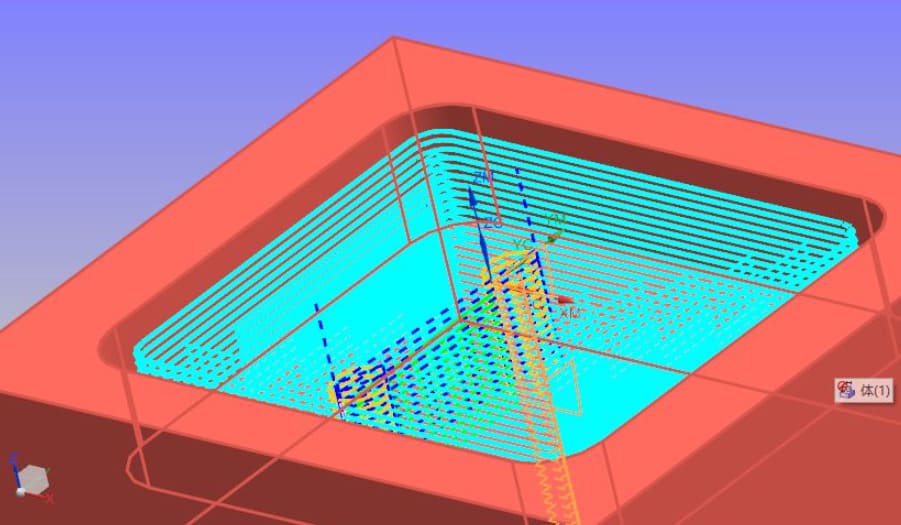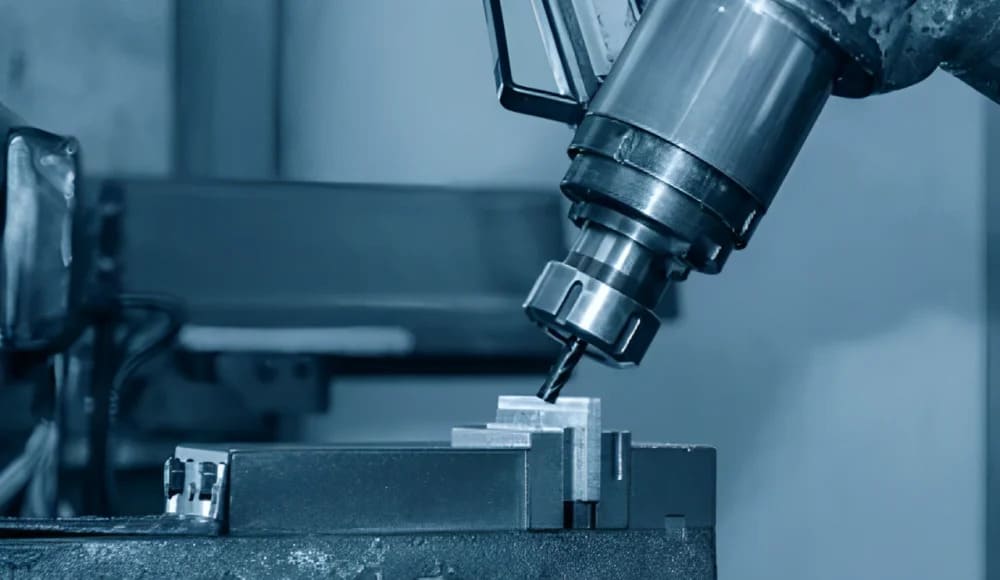

You may notice strange, rust‐like colored spots appearing on your newly machined brass parts. These marks are not actual rust but rather a type of corrosion that can build up after machining.
This blogpost explains why this color change actually occurs. You will also know about the best approaches to clean, care for, as well as preserve your brass parts.
What Is Brass and Why Doesn’t It Rust?
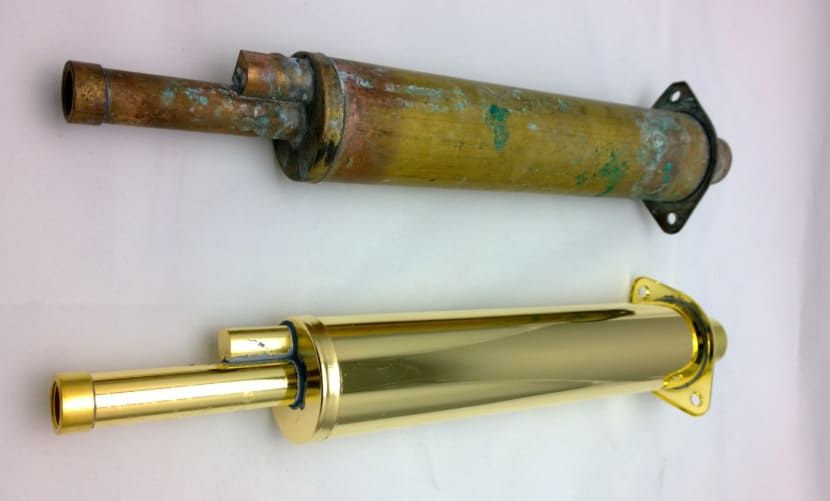
Brass is an alloy which combines zinc & copper – typically 30% to 40% of zinc with 60% to 70% of copper. Certain variants also add lead, tin or aluminium to improve machinability and boost mechanical integrity.
Rust never forms on brass because the alloy holds virtually no iron. Iron oxide or rust arises exclusively on metals that contain iron.
Brass, however, succumbs to different corrosion mechanisms. When air reaches the surface then oxidation produces a greenish, defensive film known as patina. Under aggressive service conditions, dezincification can also occur; zinc leaches out, and a spongy, fragile copper skeleton remains.
What actually causes that post‐machining discoloration?
Though brass itself resists corrosion, yet newly machined pieces still face various tarnishing issues. To keep parts bright you first need to grasp how each issue arises.
Dezincification
Chloride‐laden or acidic water can attack high‐zinc brass. It leaches out the zinc alone. That specific removal is termed dezincification and produces a porous, fragile matrix of copper. Visually the zone appears dull and reddish or pink, and the part loses significant strength.
Oxidation of Zinc and Copper
Water vapor, oxygen and airborne contaminants readily combine with the copper portion of brass. The resulting oxidation deposits a very thin surface film. Sulfide contact or high moisture level changes that film’s color. It can appear as a greenish patina or black copper oxide film. This coating/film only alters the looks; function usually remains intact.
Also See: How to Prevent Oxidation of Brass Parts
Residual Oils and Surface Contaminants
Discoloration frequently begins with machining residues that stay on the part. If oil, coolant agents or grease remains after washing then it oxidizes and produces dark blotches.
Dirt and dust from the shop easily embed in those sticky layers/residue. By retaining corrosive species & moisture, the contaminated film speeds up surface tarnishing.
Corrosion from Post‐Machining Steel Transfer
Finished brass may often display brown spots that mimic rust. The brass itself remains intact. The culprit is usually microscopic steel or iron particles left on the surface. Deburring brushes, steel equipment or steel wool employed while finishing commonly supply those particles. After getting trapped those particles rust and then leave behind isolated corrosion marks on the brass.
At RICHCONN we use exclusive, assigned tools to handle brass and other non‐ferrous metals. This meticulous approach greatly minimizes cross‐contamination and delivers uniformly spotless parts to our customers.
Why CNC Machining Can Speed‐Up Corrosion‐Like Processes
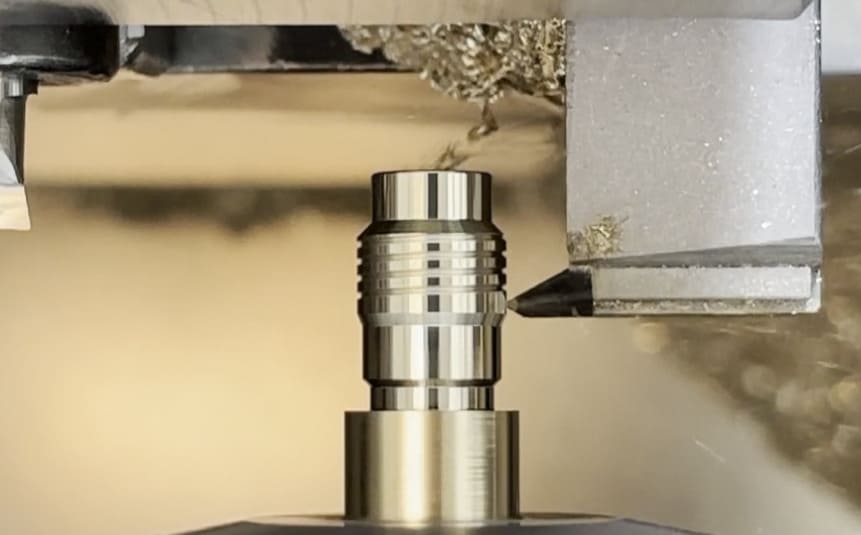
During CNC machining, situations arise that increase brass’s vulnerability to corrosion‐like damage.
Rinse Water and Coolant Chemistry
Rinse water & coolants sometimes deposit corrosive residues on the freshly cut brass. Chlorine and other dissolved minerals are common in tap water and are typical culprits. Once the water dries then those minerals linger on the surface. They promote tarnishing soon after machining. Rinsing with distilled or de‐ionized water largely avoids the problem.
Machining Surface Roughness and Heat Generation
When cutters remove material, a bright, highly reactive surface appears. Cutting action leaves microscopic valleys & peaks, so the overall area grows. The greater area provides additional sites where oxidation can begin. Moreover heat produced while machining also accelerates those surface reactions, and the metal tarnishes sooner.
Grease and Coolant Residues
If workpieces are not cleaned well then a film of oil or coolant remains. As time passes that film oxidizes or deteriorates chemically. The resulting products darken the brass which leaves black specks & blotches. Prompt washing is the only way to eliminate these residual fluids.
Best Approaches to Avoid Brass “Rust”
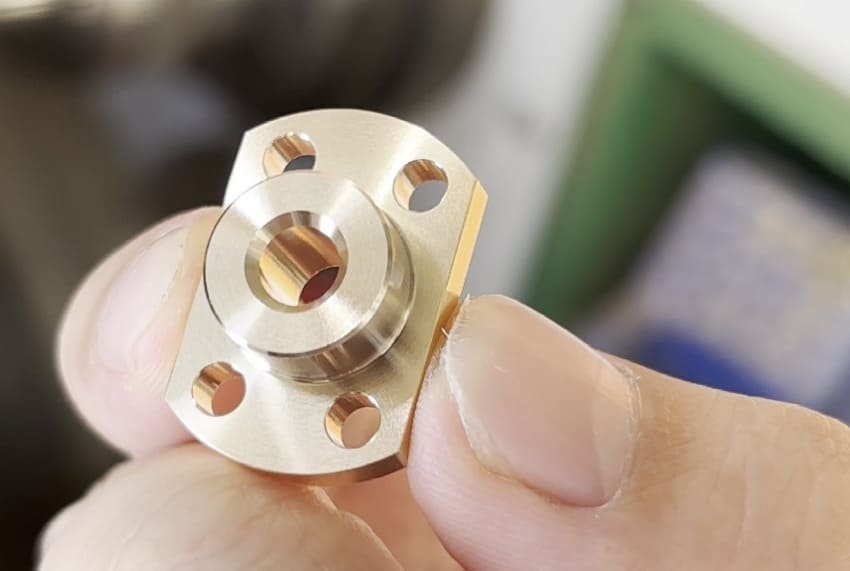
By adopting several best practices in and after production you can greatly cut the probability of discoloration while safeguarding structural quality of your part.
Alloy and Material Decision
The first step is selecting a material that suits your application. When components operate in marine or humid settings then you should opt for a brass grade with strong corrosion resistance. Admiralty brass and certain dezincification‐resistant (DZR) alloys deliver longer service life under such challenging environments.
Not certain about the brass alloy that suits best for your project? You can reach out to our team. Our experts can recommend materials that combine strength, looks as well as corrosion resistance according to your operating environment.
Coolant Selection and Procedure Regulation
Whenever feasible, pick dry machining. By doing so you can prevent coolant‐related complications. If coolant becomes critical then you should select non‐corrosive, water‐soluble blends and also check their pH frequently.
Moreover regular fluid replacement eliminates contaminant accumulation. This prevents stains that produce discoloration on brass surface.
Passivation or Surface Coatings
A defensive coating shields the newly machined surface from both moisture & air. Light layers of clear lacquer, oil or anti‐tarnish spray works well. For increased wear resistance you may plate the component with tougher metals such as chrome or nickel.
Cleaning and After‐Machining Steps
Thorough cleaning remains absolutely essential. Right after machining, immerse the parts in warm soapy water then rinse with pure deionized water to eliminate residues. Use warm air to dry the components thoroughly. During secondary cleaning or deburring, stick to brass wool or non‐ferrous brushes to avoid embedding steel contaminants.
Handling and Packaging
Skin oils promote tarnish so wear nitrile gloves whenever you handle final brass parts. During storage wrap each & every item in anti‐tarnish paper then vacuum‐seal it, optionally adding a desiccant packet to capture moisture. These precautionary steps keep your parts pristine until they are needed.
To Sum Up
Unlike steel, brass avoids true rust yet CNC machining can still discolor its surface. Identify the factors like heat, oxidation as well as machining contaminants so you can adopt simple precautionary steps.
If you need any kind of CNC machining services for brass or any other metal, then Richconn is your best option. You can contact us anytime.
Related Questions
Brass components can go black after machining due to air oxidation, extreme heat and remaining cleaning agents which produce copper oxide.
No. It is not possible for brass to rust just like steel as it does not contain iron. However brass can produce patina or can degrade.
Yes it can. Not removing residues, using wrong cleaning techniques or reacting with corrosive chemicals can tarnish or fade brass by resulting in dangerous films or accelerating oxidation.
Tarnish is created as a thin, steady layer that looks like gray or black film. It can protect your underlying metal. Whereas rust is a brittle, reddish‐brown iron oxide that gradually harms metal.
Yes dezincification can occur in machined brass if it is subsequently subjected to chemically strong situations like acidic or stagnant water.