
Brass parts are famous for their beautiful looks as well as high strength. Despite these benefits they can oxidize which results in corrosion & tarnishing.
To preserve brass products in excellent condition, companies and engineers must employ preventive safety strategies to avoid oxidation.
Also See: Brass Parts Manufacturing: A Complete Guide
What is Composition of Brass and Oxidation of Brass
Composition of Brass
Zinc & copper are the primary constituents of brass alloys. The ratio of these metals affects the brass’s strength, color and resistance to corrosion. A few types of brass also contain trace amounts of lead, tin or iron to enhance its certain properties.
Oxidation Procedure
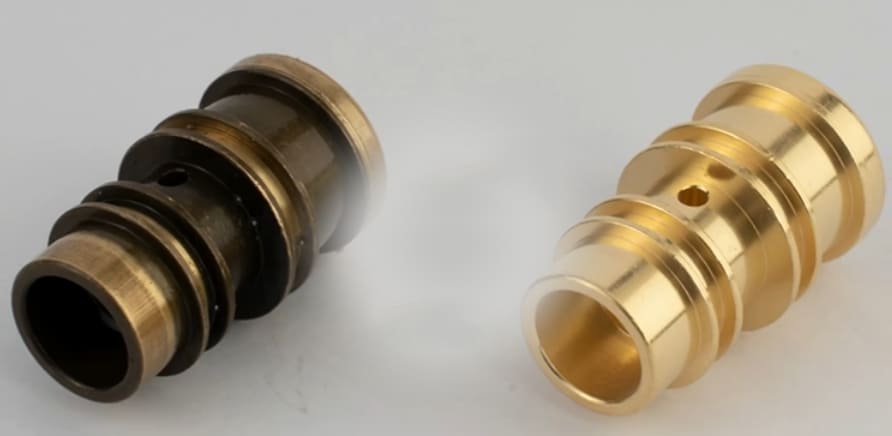
When exposed to air, moisture and oxygen chemically react with brass. This reaction creates a layer of copper oxide on its surface. Tarnishing appears as a stained or dull appearance. Without proper care, oxidation can turn into corrosion, which ultimately degrades the brass with time.
Also See: 2024 Comparison Guide: Bronze vs. Brass vs. Copper
Factors that Speed‐up Oxidation
- Acidic Environments: Acidic environments or materials can accelerate corrosion.
- Humidity: Oxidation occurs more rapidly when the humidity in the air is high.
- Handling: Exposure to salt and skin oils can accelerate the rate of oxidation.
- Pollution: Industrial emissions & pollution can elevate the speed of tarnishing of brass.
Best Methods to Stop Brass Oxidation
Applying Protective Coatings
- Wax Coatings: A thin layer of wax – like Renaissance Wax – coats the brass and protects it from the surroundings. Antique restorers & conservationists usually depend on this technique.
- Clear Lacquer Coatings: Clear lacquer creates a protective layer on the brass which prevents oxygen and moisture from affecting the surface. A lot of people use this approach for decorative and architectural objects.
- Polymer Coatings: Modern polymer coatings offer strong protection against both corrosion and oxidation. These coatings are usually necessary for brass parts in harsh industrial environments.
Regular Cleaning & Maintenance
- No Harsh Chemicals: Using abrasive or acidic cleaners can strip the brass’s protective layer. This leads to accelerated oxidation which ultimately damages the product. Therefore you should pick brass‐safe, non‐abrasive cleaners that are suitable for metal surfaces. This method extends the lifespan and also maintains the beauty of brass.
- Frequent Cleaning Practices: Frequently cleaning brass items with a microfiber cloth eliminates oil, dust and other residue that can lead to oxidation. Not incorporating harsh rubbing as well as abrasive materials protects against surface damage and retains brass in excellent condition.
Efficient Storage Approaches
- Sealed Storage: Store brass parts in sealed containers for extended storage. This method restricts contact with moisture and air which greatly decreases probability of tarnishing & oxidation. Products that are infrequently handled or used are specially suited for this technique because it helps maintain their looks and quality over time.
- Regulated Humidity: For delaying oxidation, you have to place brass components in an area where humidity is regulated. You can use dehumidifiers or silica gel packs to remove additional moisture from air. By regulating humidity level you can protect brass from unnecessary oxidation and can preserve it as well.
Handling Tips
- Restricting Contact: Touch brass products only when necessary to prevent them from getting oily or dirty. Less handling results in less contamination reaching the surface. These strategies will increase the lifespan and maintain the polished appearance of brass.
- Use of Gloves: Make it your habit to wear cotton gloves when touching brass components. By doing so, you can block salts, skin oils as well as other residues from reaching the brass surface. Moreover, using gloves decreases the risk of tarnishing and oxidation from direct skin contact.
Reviving of Oxidized Brass
- Chemical Treatments: When oxidation is heavy, use a tarnish remover or brass cleaner according to the manufacturer’s instructions. Comply with all instructions to protect the surface from damage. These solutions remove tarnishing and contribute to the restoration of original look of the brass; but be sure to take safety precautions during use.
- Gentle Polishing: If slight oxidation on brass is visible then you should take a soft cloth and apply a mild metal polish. Conduct a test first, by polishing on a tiny, hidden area to ensure there are no adverse effects. These strategies can revive the original luster & shine of brass.
To Sum Up
There are some useful tips & techniques that you can take advantage of to shield brass components from oxidation and increase their lifespan as well. Clean them periodically, apply a protective coating and store them in a regulated environment. By sticking to these tips & techniques you can protect quality and visual appeal of your brass items for multiple years.
If you need a professional manufacturer to customize brass parts for your project, then Richconn is the best choice. You can contact us at any time for customized solutions for your project.
Related Questions
Applying a lacquer coating shields the metals like brass from the surrounding. This layer reduces the probability of oxidation.
When copper oxidizes, it becomes discolored or dull. Whereas corrosion often shows up in the form of visible damage to the structure.
It is recommended to store the brass metal in places with regulated humidity to stop oxidation. Additionally, dehumidifiers or silica gel packs help create a controlled environment.
Yes you can treat brass with lemon juice, but first you have to dilute it in water. Furthermore, perform a test on a small section first to avoid discoloring the surface.
Brass with greater amounts of zinc provides better protection against oxidation. Whereas other metals in the alloy can determine its resistance against rust.