
Many industries use aluminum but questions about its magnetism often arise. In this blog post we will cover whether aluminum is magnetic, how it responds to magnetic fields and why this matters for aerospace, electronics and medical devices. We’ll also look at its properties and uses.
What is Magnetism?
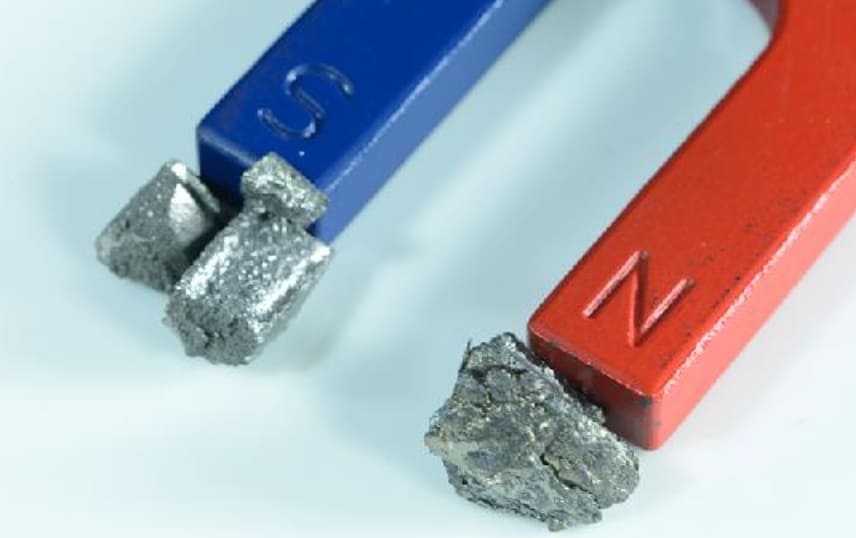
In simple terms, magnetism is a force that is created by moving electric charges. This force makes certain materials (like iron) attract or repel each other. Magnets create a magnetic field which affects how other materials behave around them. Magnetism is a fundamental force of nature and is used in many technologies today.
Is Aluminum Magnetic? The Science behind it
Aluminum is not magnetic in a usual way. Its atomic structure and electron arrangement explain this.
Atomic Structure
Electrons in aluminum are paired within its atoms. Since it has no unpaired electrons, aluminum can’t be magnetic. Ferromagnetic materials like iron have unpaired electrons which form magnetic domains but aluminum doesn’t.
Magnetic Susceptibility
Aluminum is a paramagnetic material. It is weakly attracted to magnetic fields but this effect is very slight and only appears in strong fields. Aluminum can’t be permanently magnetized unlike ferromagnetic materials.
Experimental Evidence
Tests show aluminum has a weak pull towards magnets but loses this effect when the magnetic field is removed. This weak and temporary response proves that aluminum is paramagnetic. Therefore it’s not suitable for uses that need lasting magnetism.
Also see: Types of Aluminum: Alloys, Grades & Applications
How Aluminum Behaves in a Magnetic Field
Aluminum doesn’t behave like strongly magnetic materials when placed near a magnet. Here’s what happens in case of aluminum:
Weak Attraction
Aluminum has a very weak pull towards magnets. It is hard to notice and only appears in very strong magnetic fields. Iron sticks to magnets but aluminum’s attraction is faint.
Induced Magnetism
A strong magnetic field can make aluminum weakly magnetized. It is temporary as once the magnetic field is removed aluminum loses all magnetism and doesn’t retain any magnetic properties.
Practical Considerations
Although aluminum’s magnetic response is weak, it still matters in some applications. Designers in aerospace, electronics as well as medical fields consider how aluminum reacts to magnets. This helps them design parts which resist magnetic interference or are shielded from it. This property is useful for protecting sensitive equipment.
Factors Affecting Aluminum’s Magnetic Properties
Many factors make aluminum’s behavior in a magnetic field more complicated than it seems.
1. Atomic Structure and Electron Configuration
Aluminum has paired electrons in its outer shell. This structure prevents it from becoming magnetized like ferromagnetic materials e.g., iron. Since it has no unpaired electrons, aluminum only shows weak magnetism.
2. External Magnetic Fields
Strength of magnetic field matters. Stronger magnetic fields can produce a more visible effect on aluminum. But the attraction always stays weak and aluminum loses any magnetism once the field is gone.
3. Temperature
Temperature changes affect aluminum’s magnetic response. When temperature increases, atomic movement in aluminum also increases. Therefore its response to magnetic fields becomes even weaker.
4. Crystal Structure and Grain Boundaries
How aluminum’s crystals are arranged affects its reaction to magnetic fields. Grain boundaries inside the metal can affect how magnetic forces interact with aluminum.
5. Purity and Alloying
Aluminum’s purity and the metals added to form alloys also change its magnetic properties. For example adding small amounts of iron to aluminum alloys can make their magnetic behavior slightly stronger.
6. Eddy Currents and Induced Magnetism
When aluminum moves through a magnetic field it produces electrical currents called eddy currents. These currents generate weak magnetic fields that oppose movement. This is useful in technologies like induction heating and electromagnetic braking.
Uses of Aluminum’s Magnetic Properties
Aluminum doesn’t show strong magnetism but its weak response and other features make it useful in many areas.
Electronics
Manufacturers use aluminum in devices like computers and smartphones. Its weak response to magnetic fields helps prevent interference in circuits which keeps performance efficient and stable.
Medical Devices
Aluminum is used in MRI machines and other medical technologies because it barely reacts to magnetic fields. It prevents equipment disruption. Moreover its non-reactive nature also makes it suitable for medical implants.
Aerospace
Aircraft parts often use aluminum for its light weight & strength. Its non-magnetic quality is important to avoid interference with communication and navigation systems.
Everyday Items
Many common products like packaging, foil and car parts contain aluminum. Its non-magnetic property makes it useful wherever minimizing magnetic interference is important.
To Sum Up
Aluminum doesn’t show magnetism in a usual way. It’s paramagnetic, therefore it has weak magnetic effects. Aluminum never gets permanently magnetized. Knowing how aluminum reacts to magnetic fields is important in industries such as aerospace, electronics and medical devices. These industries use aluminum for its non‐magnetism nature and light weight.
If you’re looking for high quality aluminum products or custom solutions for your projects, contact us today.
FAQs
No aluminum cannot be magnetized like iron. It’s paramagnetic therefore it only shows a slight attraction to magnets and doesn’t retain magnetism.
No aluminum doesn’t have a strong effect on compass readings. Its weak magnetic response is not enough to affect a compass.
Yes aluminum is a good conductor of electricity. That’s why it’s often used for electrical transmission lines.
Aluminum is not a main material for magnetic levitation because its magnetic response is too weak. But it’s sometimes used in parts that must avoid magnetic interference.
Paramagnetic materials like aluminum are only weakly attracted to magnets. Ferromagnetic materials like iron can be strongly magnetized and retain magnetism.