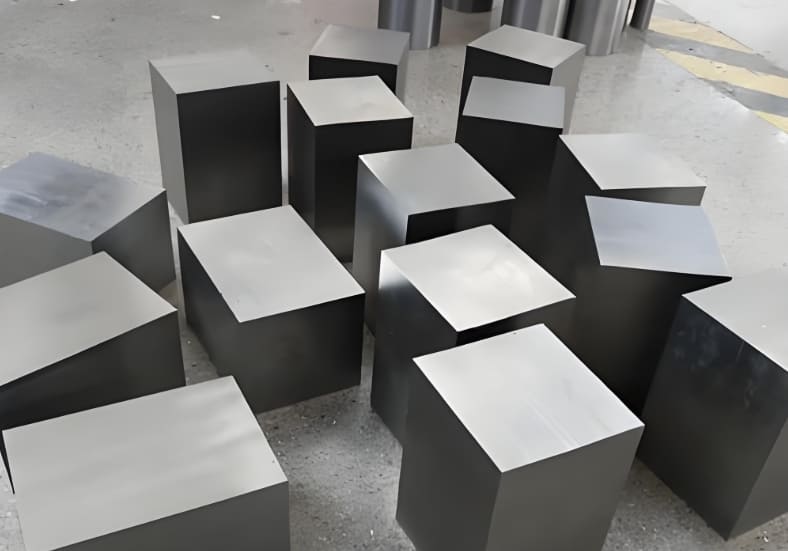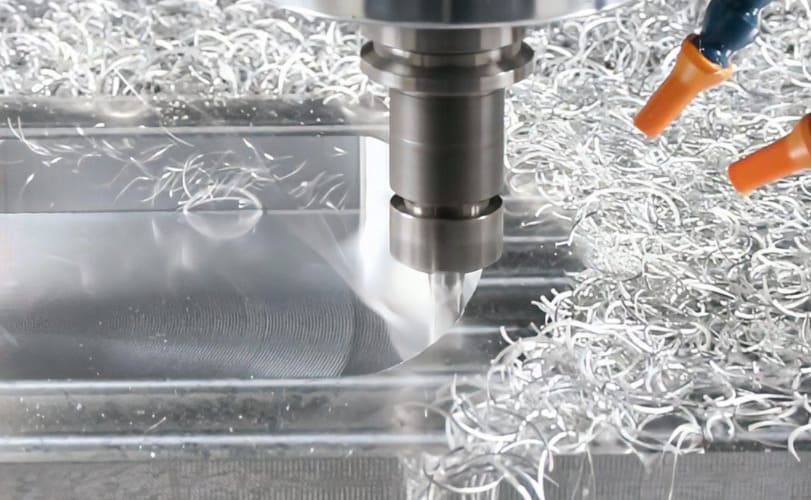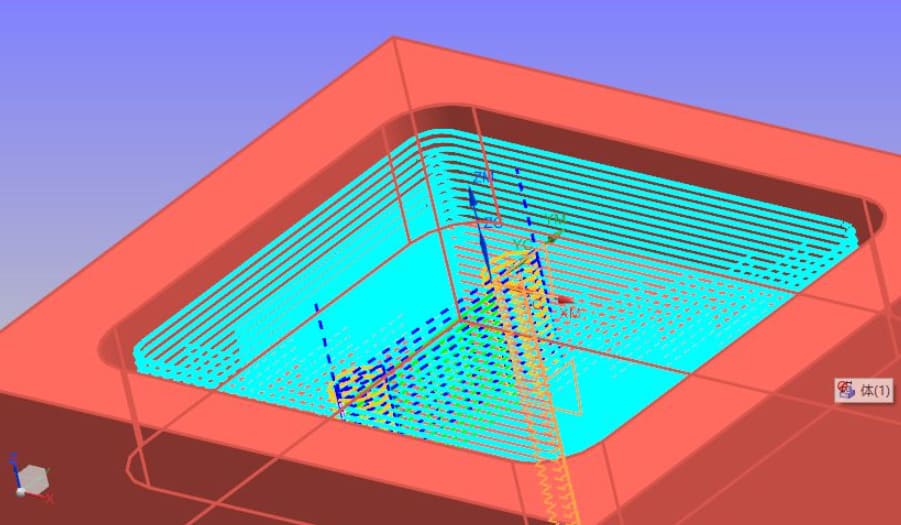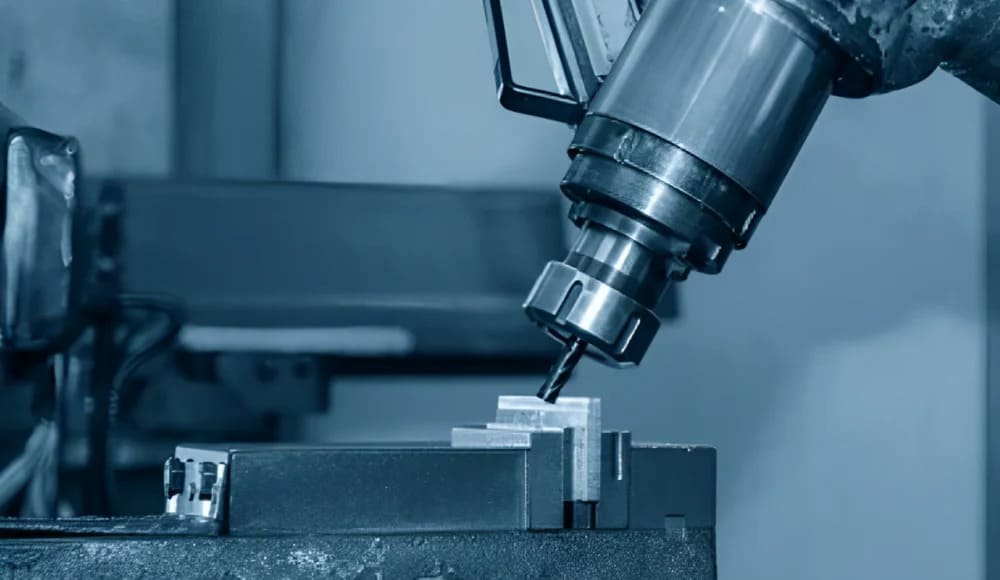

Workpiece clamps are necessary to securely hold materials in place during machining, assembly, welding and other tasks. To choose the best clamp, you have to consider its precision, jaw shape, clamping force, actuation speed, throat depth, material compatibility and production volume.
In this blog post we will cover 20 clamp types. It includes usage tips, material information, benefits as well as some real‐world examples to help you choose the best one.
Workpiece Clamps for CNC Machining
CNC machining requires clamps that are both stable & precise. A correct clamp supports smooth operation and gives great results even on complicated projects.
1. Hydraulic Clamp
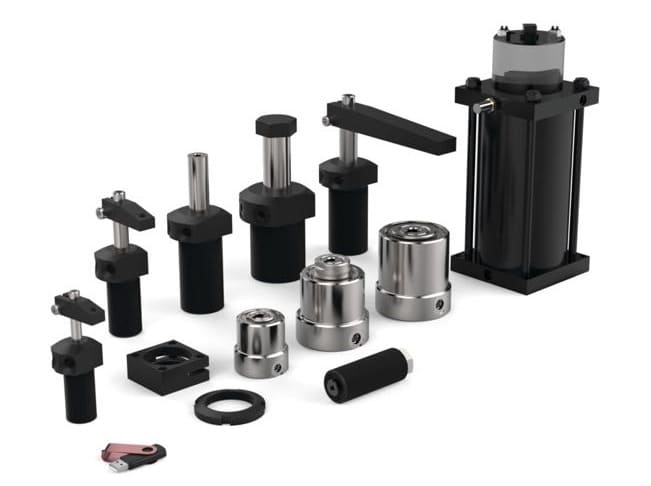
This clamp uses pressurized oil and built‐in cylinders to create a strong steady force. It’s fast & accurate and is perfect for automated CNC processes.
Materials
- Clamp body mostly uses carbon steel or high‐strength alloy.
- Hardened steel pistons make up the internal parts.
- Viton or Nitrile rubber seals keep fluids contained.
Benefits
- Clamping cycles are fast and need little manual input.
- Clamp delivers steady & high force for repeated use.
- It fits easily into automated CNC setups and helps prevent human mistakes.
Applications
- Works well in CNC machining centers that use hydraulic work holding.
- Handles high‐volume jobs such as aerospace parts or mold machining.
- Useful for fixtures with many complicated shapes or clamping points.
2. Fixed Jaw Power (Hydraulic) Clamp
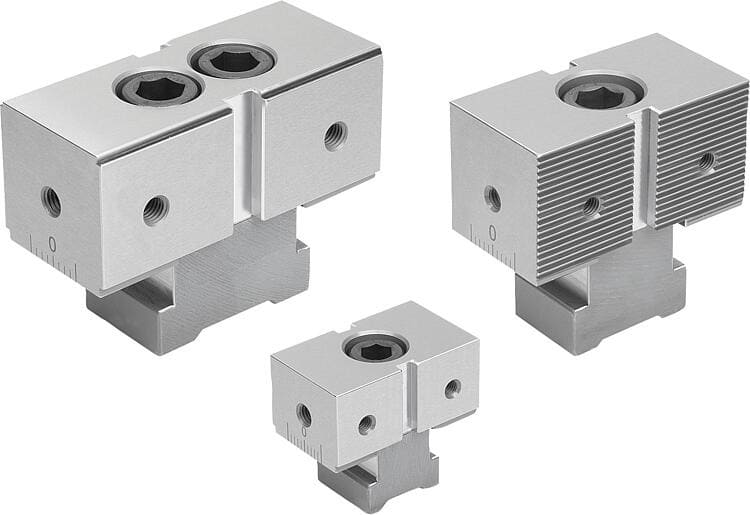
This hydraulic clamp has a fixed jaw that holds parts in place. A sliding jaw powered by hydraulic pressure moves to secure the workpiece. Compact and sturdy design fits in modular and custom fixtures.
Materials
- High strength or alloy steel forms the main structure for lasting durability.
- Sliding jaws are hardened to resist wear and extend service life.
- Hydraulic parts are precisely machined and sealed with oil resistant materials.
Benefits
- Compact shape provides strong clamping force in small spaces.
- Fixed jaw setup offers reliable repeatability and accurate part positioning.
- Chip resistant construction performs well in environments with heavy debris.
Applications
- This clamp works well for CNC milling & EDM operations.
- It suits modular fixtures that demand repeatable work holding.
- It fits tight setups or automated cells where manual access is limited.
3. Pneumatic Clamp
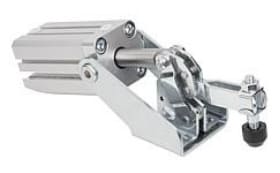
This clamp uses compressed air to move swing arms or pistons to clamp parts for repeated tasks. You can easily integrate it with CNC systems.
Materials
- Body uses lightweight tough steel or aluminum for strength.
- Hardened steel pistons deliver dependable performance.
- Seals made from polyurethane or nitrile rubber keep the system air tight.
Benefits
- Fast and consistent clamping cycles help raise productivity.
- Its design stays cleaner as compared to hydraulic types. This makes it suitable for sensitive areas.
- It works well with PLC or CNC systems thus supporting automation.
Applications
- This clamp is ideal for CNC drilling and light to medium milling jobs.
- Automated production lines mostly use it.
- It fits workflows that need high output and moderate holding force.
4. Vacuum Workholding/ Table
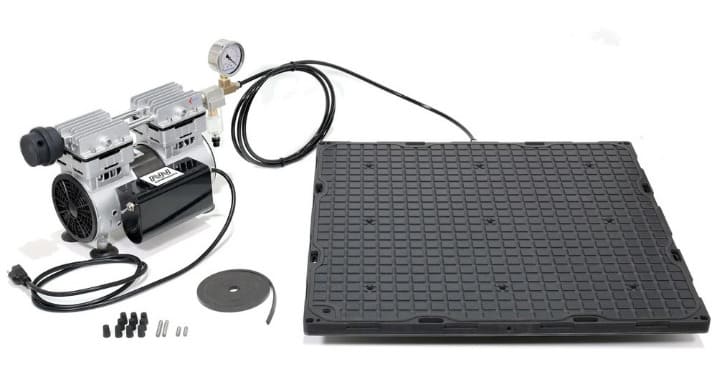
This clamping system holds workpieces in place with vacuum pressure. It creates even pressure and an open workspace. This is perfect for thin or delicate materials.
Materials
- Manufacturers use composite panels or anodized aluminum to build these systems for strength.
- Silicone gasket mats or rubber seals the vacuum zones and improve airtightness.
- Built‐in vacuum ports & manifolds provide steady suction.
Benefits
- You can machine the entire surface of the workpiece without clamps getting in the way.
- System applies pressure evenly which protects fragile parts.
- Loading & unloading parts is fast so workflow interruptions are minimal.
Applications
- Common in engraving, PCB milling and machining composites.
- Works well with thin sheets such as acrylic, aluminum or foam.
- Fits 3-, 4- or 5 axis CNC machining setups where tool clearance is important.
Workpiece Clamps for Manual Machining and Shop Use
Clamps for manual machining and shop-use can adapt to many different tasks. They hold workpieces securely and perform well for daily use.
5. C Clamp (G Clamp)
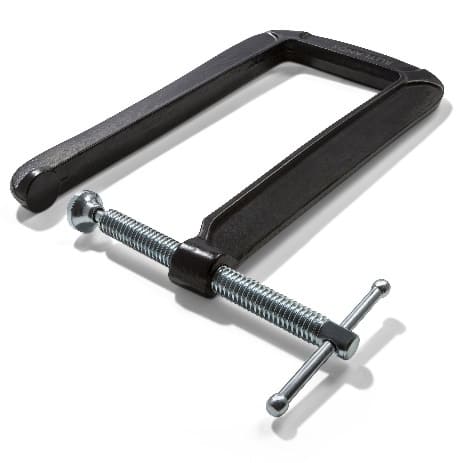
This clamp is shaped like a “C” or “G” and uses a threaded spindle to grip workpieces tightly. It’s a reliable hold for metalworking and woodworking.
Materials
- Cast iron or forged steel construction gives the clamp strength.
- Spindle is made from hardened steel to prevent wear.
- Some versions include rubber pads to protect surfaces.
Benefits
- Delivers a strong and focused clamping force.
- You can adjust it easily by hand without any extra tools.
- It is cheaper and comes in many sizes.
Applications
- Useful for woodworking jobs such as edge gluing.
- Employed in drilling, welding and metal fabrication.
- Suitable for general shop tasks or other temporary setups.
6. F Clamp (Bar or Speed Clamp)
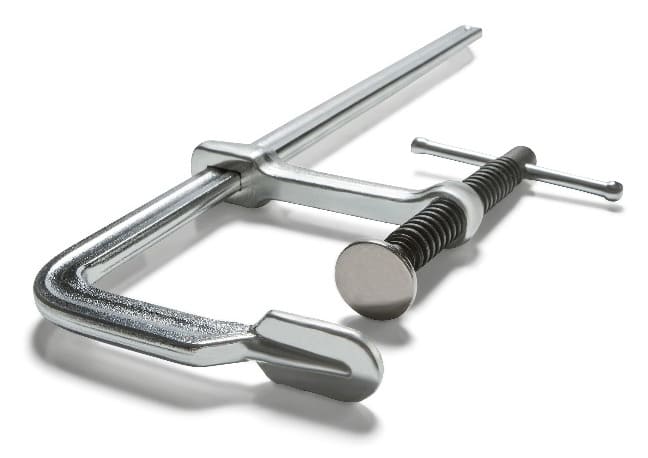
An F Clamp provides fast and adjustable clamping across wide areas. It has a metal bar with a fixed arm and a sliding jaw. It is good for many metalworking and woodworking jobs.
Materials
- Stainless steel or carbon steel bars give long life and strength.
- Plastic or rubber pads on the jaws protect work surfaces.
- Handles made from tough plastic or metal offer a comfortable grip.
Benefits
- Its wide jaw opening can easily hold oddly shaped or large parts.
- You can operate it quickly with one hand which helps with repeated tasks.
- Its lightweight and sturdy build make it useful in workshops or for on‐job sites.
Applications
- Useful for gluing panels, building cabinets and putting frames together.
- Holds materials steady during sanding, cutting or fastening.
- Works well for clamping big boards or sheets.
7. Bench Vise
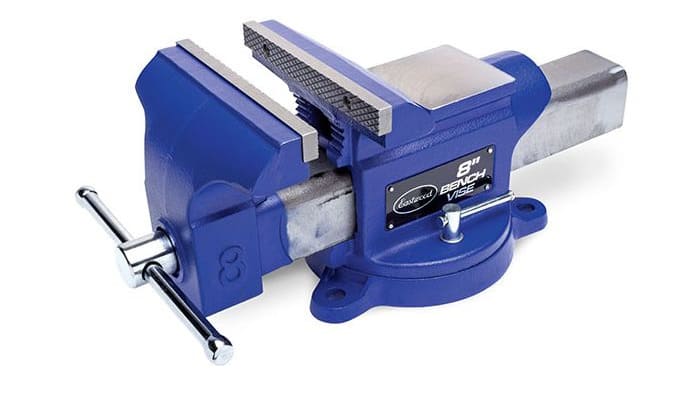
A bench vise holds workpieces in place and stays on a workbench. It’s for heavy duty jobs that need stability. This tool has a fixed jaw and a sliding jaw, adjustable by a screw. Therefore it’s good for both manual and semi manual work.
Materials
- Forged steel or cast iron construction adds durability and strength.
- Serrated steel jaws grip parts securely.
- You can add jaw pads made of rubber, copper or plastic to protect delicate items.
Benefits
- It keeps workpieces stable with a strong holding force.
- The vise stands up to tough and repeated use.
- You get a hands free setup for accurate fabrication and repair.
Applications
- Perfect for hammering, filing and cutting metal parts.
- Mostly used for light milling or drilling tasks.
- Essential for metalworking, repairs and making prototypes.
8. Machine Vise
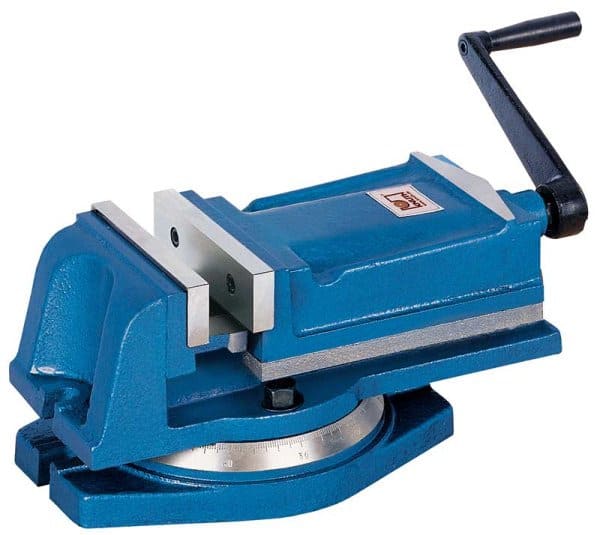
The machine vise holds workpieces for milling and drilling. This tool assures accuracy by keeping parts stable during machining. It delivers reliable clamping and alignment which is essential for tight tolerances in both manual and CNC operations.
Materials
- Ductile iron or cast iron forms the main body. This reduces vibration and provides stability.
- Hardened tool steel makes up the jaws. This offers resistance and strength to deformation.
- Phosphate coatings or black oxide protect against corrosion and extend service life.
Benefits
- The vise maintains a strong grip and repeatable positioning even under heavy cutting forces.
- It allows precise alignment, both perpendicular and parallel to the machine axes.
- Swivel bases and adjustable angles support a wide range of setups.
Applications
- Essential for CNC machining, drilling as well as precision milling tasks.
- Commonly used in tooling fixtures, production lines and jig assemblies.
- Suited for applications that demand accurate and repeatable part placement.
9. Toggle Clamp
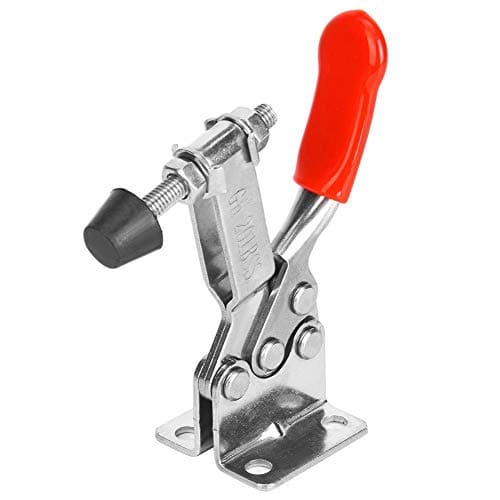
A toggle clamp uses a pivoting lever to lock parts in place past a center point. This mechanism delivers strong and consistent clamping for tasks that repeat often. Its durability and speed make it good for high volume workflows.
Materials
- Zinc plated or stainless steel construction provides strength and resists corrosion.
- Clamping feet made of nylon, rubber or polyurethane protect the workpiece surface.
- Hardened pivot pins and linkages increase durability for frequent use.
Benefits
- Quick to clamp and release so ideal for setups that need to be repeated.
- Maintains steady pressure after the initial adjustment so no further changes are needed.
- Compact design and versatility allow easy integration into various fixtures.
Applications
- Widely used in assembly fixtures and welding jigs.
- Suitable for metal fabrication, woodworking and electronics assembly.
- Effective for holding parts steady during bonding or machining steps.
10. Step Clamp and Step Block
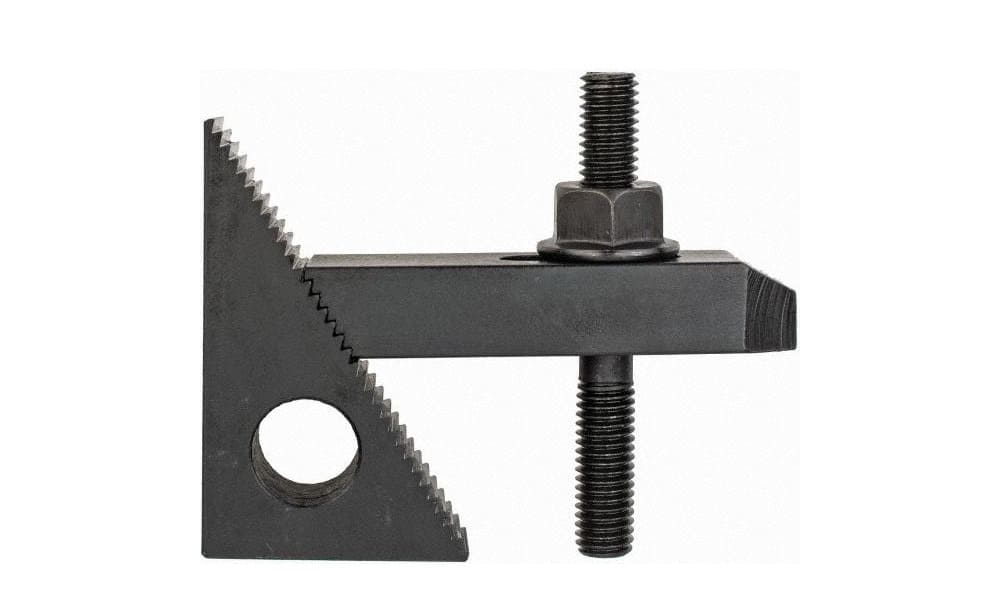
This clamp system uses serrated‐edge step clamps with matching step blocks on T slot machine tables. You can set the clamping height as needed for secure and repeatable machining.
Materials
- Hardened steel such as 1018, 10L17 or 1541 carbon steel forms the main components.
- Black oxide coating protects against corrosion.
- Step blocks use heat treated hot‐rolled steel for added strength.
Benefits
- Serrated surfaces let you precisely adjust height in steps.
- Threaded studs deliver a strong clamping force and help prevent part movement.
- Modular kits supply studs, T‐nuts, clamps and step blocks for a flexible setup.
Applications
- CNC milling machines with T‐slot tables use these clamps effectively.
- Suitable for both larger blocks and small fixtures.
- Works well for face milling, drilling and fixture tasks that need repeatable clamping.
Gluing and Woodworking Clamps
Woodworking and gluing clamps are essential in carpentry. They keep assemblies stable and precise which results in strong & seamless bonds for every project.
11. Pipe Clamp
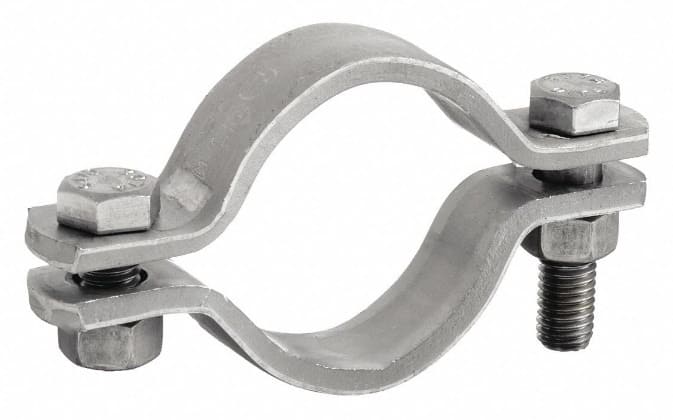
This has adjustable jaws attached to a threaded steel pipe so you can set the clamping length according to your needs. Woodworkers use pipe clamps for edge gluing and building large panels.
Materials
- Cast iron forms the jaws as it provides durability and strength.
- Steel pipes, either ½” or ¾”, have threads on at least one end.
- A spring loaded clutch system locks the adjustable jaw in place.
Benefits
- You can change the pipe length to get almost unlimited clamping capacity.
- Pipe clamps cost less as compared to bar or parallel clamps.
- They apply strong pressure which keeps panels and edge joints secure.
Applications
- Use them for gluing cabinet doors, tabletops and large panels.
- They are used in furniture making and custom millwork.
- Both professionals and hobbyists use them for oversized workpieces.
12. Parallel Jaw/ Bar Clamp
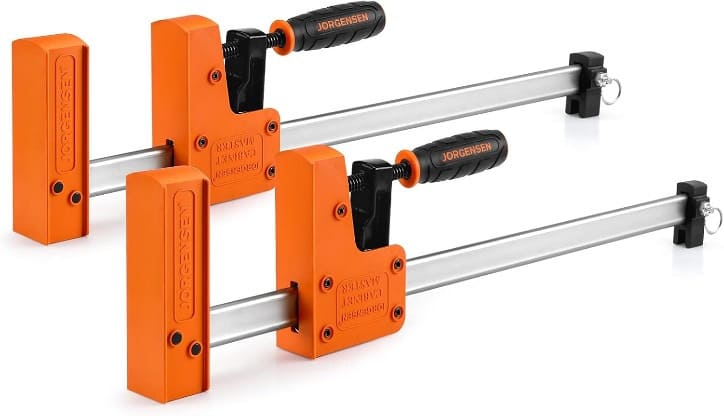
A parallel jaw clamp holds the workpiece with even pressure along its length. This design assures precise clamping during woodworking or assembly. Its uniform grip gives accurate results on every project.
Materials
- Bar consists of high strength alloy steel which increases durability.
- Jaws use reinforced plastic or cast iron to maximize grip.
- Pads made from nylon or rubber shield workpieces from harm.
Benefits
- Its smooth action prevents damage to delicate materials.
- Spread pressure evenly across the workpiece.
- This clamp stops shifting or warping and keeps parts aligned.
Applications
- Useful for cabinetry, joinery and building furniture.
- Works well for gluing wide boards, panel assembly and sanding.
- Suitable for jobs that demand proper alignment and steady pressure.
13. Spring Clamp
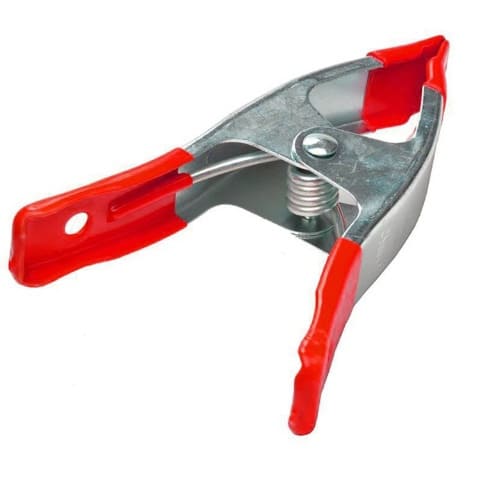
A spring clamp uses a coil spring mechanism to hold things in place temporarily. You can squeeze the handles to open the jaws & release them to lock the clamp in place. It’s good for light‐duty work.
Materials
- It is made up of composite materials or durable steel which resists corrosion.
- Jaws coated with plastic or rubber protect surfaces from marks.
- Hardened steel spring provides lasting tension.
Benefits
- One hand can operate the clamp quickly and easily.
- Gentle pressure lowers the chance of damaging materials.
- Clamp is portable and lightweight. This makes it ideal for temporary holds.
Applications
- Useful for crafts or holding fabric during assembly.
- Works for light woodworking such as gluing small parts.
- Fits DIY projects that need a clamp without causing damage.
14. Quick Release (Trigger) Clamp
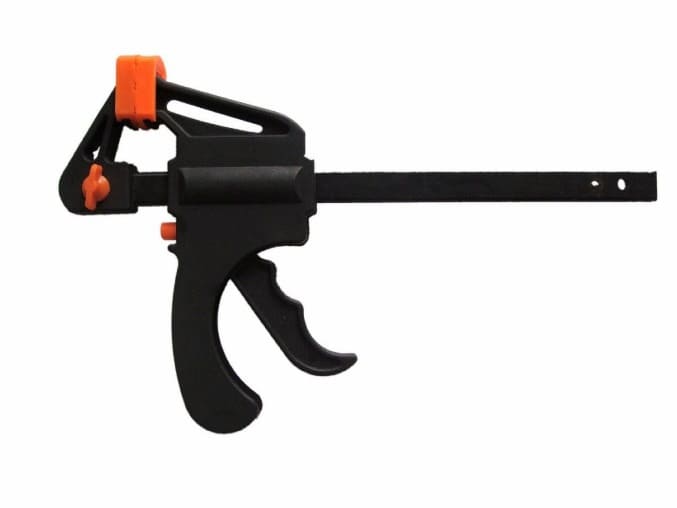
This clamp uses a trigger mechanism to hold workpieces in place quickly and with moderate force. Also its one hand operation makes repositioning fast and easy.
Materials
- Bar is made of nylon and other parts from steel.
- Trigger handle features rubber inserts and molded plastic for comfort.
- Nylon or rubber pads cover the jaws to protect the workpiece.
Benefits
- One handed clamping makes setups faster and more efficient.
- Delivers steady clamping force for light to medium duty jobs.
- Its light weight makes it easy to carry and use anywhere.
Applications
- Useful for assembly jobs such as fitting or gluing components.
- Works well for drilling jigs, woodworking and light fabrication.
- Great for tasks that need frequent, quick adjustments or setups.
15. Corner/ Right Angle Clamp
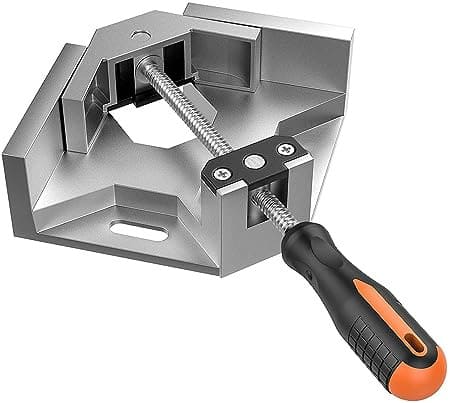
This tool holds two pieces together at a precise 90° angle for stability and accuracy during assembly. It is best for projects that need consistent & exact alignment.
Materials
- These are made of aluminum or steel.
- Jaws have plastic or rubber pads to improve grip and protect surfaces.
- It has adjustable arms for materials of different thicknesses.
Benefits
- Perfect 90° angles for accurate alignment.
- Holds pieces in place for hands‐free fastening or gluing.
- Adjusts to fit any project size.
Applications
- Used for building wooden structures or picture frames.
- For assembling shelving, cabinets and doors.
- For woodworking that needs precise angles.
16. Miter Clamp
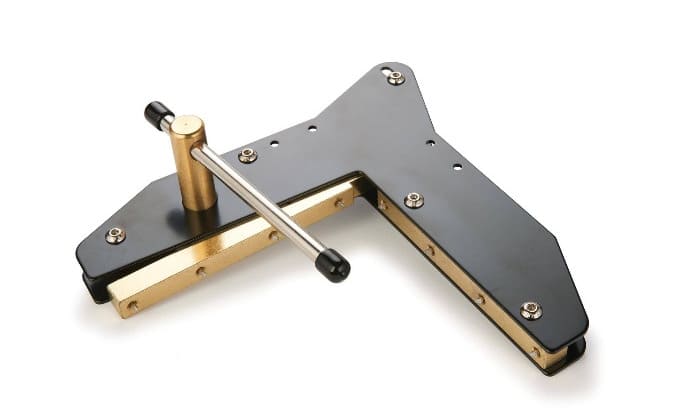
A miter clamp holds mitered corners in place while you fasten or glue them. It keeps the angles accurate. Many miter clamps use cam locks or spring loading to secure the joints tightly. These are necessary for strong & aligned corners.
Materials
- It is made from spring steel and gives the clamp both strength & flexibility.
- Cam mechanisms add extra force. This makes the hold more secure.
- Pads made from nylon or rubber improve grip and protect surfaces.
Benefits
- Its slim shape allows the clamp to fit in spaces where larger clamps will not work.
- It keeps corners aligned so mitered joints stay accurate.
- This clamp is very light and adjusts quickly. This makes hands‐free clamping simple.
Applications
- Useful for building picture frames with sharp & tight corners.
- Works well for molding, installing trim and baseboards.
- Often used in furniture and cabinetmaking that features miter joints.
Specialty and Irregular Shaped Workpiece Clamps
Specialty clamps hold workpieces with irregular or unusual shapes. They help you work with unusual materials and make specialized tasks easier.
14. Sash Clamp
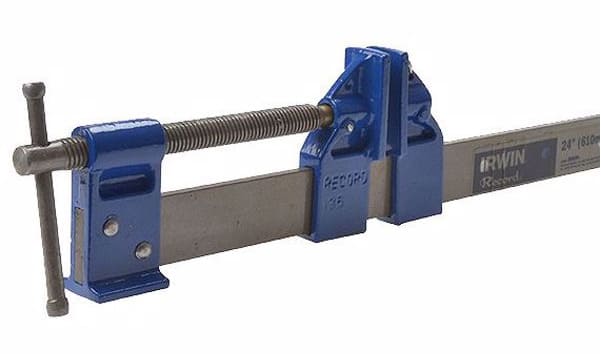
A sash clamp is a heavy‐duty bar clamp that holds flat, large workpieces during gluing or assembly. It applies even pressure across wide surfaces; therefore you can trust it for tough jobs.
Materials
- The steel bar offers high strength and durability.
- Steel jaws grip the workpiece securely.
- Optional pads made from wood or composite materials protect surfaces from damage.
Benefits
- Clamp applies even force over large areas.
- It supports frames or big panels and prevents movement or warping.
- You can adjust it easily. This makes it suitable for many different uses.
Applications
- Ideal for assembling door frames and gluing up panels.
- Frequently used in furniture building and cabinetmaking.
- Well suited for large frame projects that need steady & consistent pressure.
18. Strap (Band) Clamp
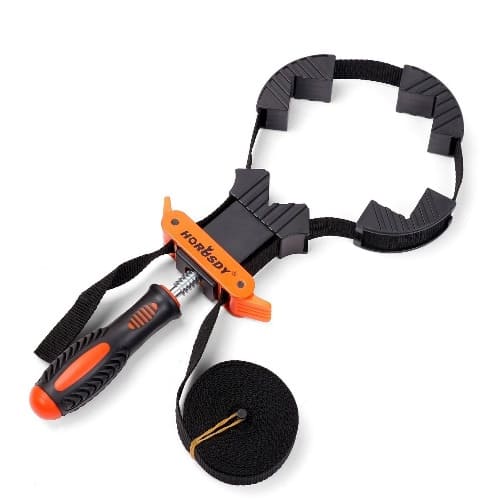
This clamp uses a flexible strap to hold irregular or round workpieces. It spreads the pressure evenly; so it’s good for parts with complicated shapes.
Materials
- Made up of nylon straps which provide flexibility while metal straps offer extra strength.
- This clamp includes a ratchet or buckle for smooth and easy tightening.
- Reinforced edges on the strap help stop fraying during repeated use.
Benefits
- This clamp applies uniform pressure to curved or uneven surfaces.
- It fits many shapes so you do not need different clamps for each job.
- You can adjust it quickly which makes hands‐free clamping efficient.
Applications
- Use it to hold circular items, assemble frames or secure curved parts.
- It is popular in furniture assembly and woodworking.
- Clamp holds containers, barrels or odd shaped assemblies during finishing or gluing.
19. Chain/ Locking Chain Clamp
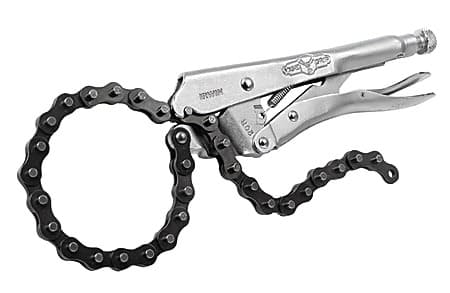
This clamp uses a steel chain to hold irregular or round objects. A locking mechanism or pliers keep the chain tight so it’s good for tough work holding tasks.
Materials
- Chain is made from hardened steel for durability and strength.
- A steel locking mechanism assures a strong & stable grip.
- Ergonomic steel handles make tightening comfortable.
Benefits
- This clamp can securely grip round or odd shaped objects.
- You can adjust the size to fit different sizes and shapes.
- It works well for heavy duty jobs that need even pressure.
Applications
- Use it for pipe welding or to keep pipes steady during work.
- It is helpful in structural fabrication or when working with irregular components.
- This clamp is common in plumbing, automotive and metalworking projects.
20. Collet/ Chuck
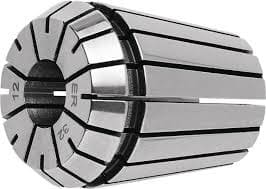
CNC lathes and mills use collets and chucks to grip cylindrical or round workpieces with precision. These systems give low run out and high accuracy which means great machining quality.
Materials
- Manufacturers use hardened steel or high performance alloys to make these clamps durable.
- Collets come from a single piece of material which gives them even clamping force.
- Chucks sometimes feature backing plates or rubber seals to improve how they perform.
Benefits
- High concentric accuracy allows for precise machining.
- Strong clamping force holds the workpiece firmly but causes little deformation.
- These clamps work well for small to medium parts in both milling and turning.
Applications
- Milling operations and CNC lathes rely on collets and chucks.
- They are a good choice for high speed machining that needs low vibration.
- Automotive, aerospace and medical fields use them frequently.
To Sum Up
Workpiece clamps have a big role in achieving efficiency and precision in many operations. Your choice of right clamp can boost productivity of your project. At Richconn we make all types of clamps and offer full customization to fit your needs. You can contact us anytime.
FAQs
Why is a parallel jaw clamp better than a standard bar clamp?
Parallel jaw clamps are used when you need high precision. They apply even pressure which protects delicate surfaces and is good for large items like furniture or cabinets.
When is a band (strap) clamp better than a chain clamp?
Band clamps are good for odd shaped or round objects like frames. And for heavy duty jobs like cylinders or holding pipes, chain clamps are the way to go.
Why do clamping force and holding capacity matter when choosing a clamp?
Clamping force is how tightly the clamp holds the material. Holding capacity is the maximum size of workpiece it can hold. Match both to your project size & pressure requirements.
How do I choose which workpiece clamp to use?
Choose a clamp that fits your project dimensions, material type and required accuracy. Consider the clamping force, design and how you will use it to make the right choice.