
Industrial robots carry out uniform as well as accurate movements in facilities like surgical centeres & car factories. Their capability to move with precision relies on the quality of their joint components. These parts must maintain tight tolerances and withstand heavy weights constantly.
This blogpost will explain how CNC machining makes the critical joints that power advanced robotic systems.
What Is a Robot Joint?
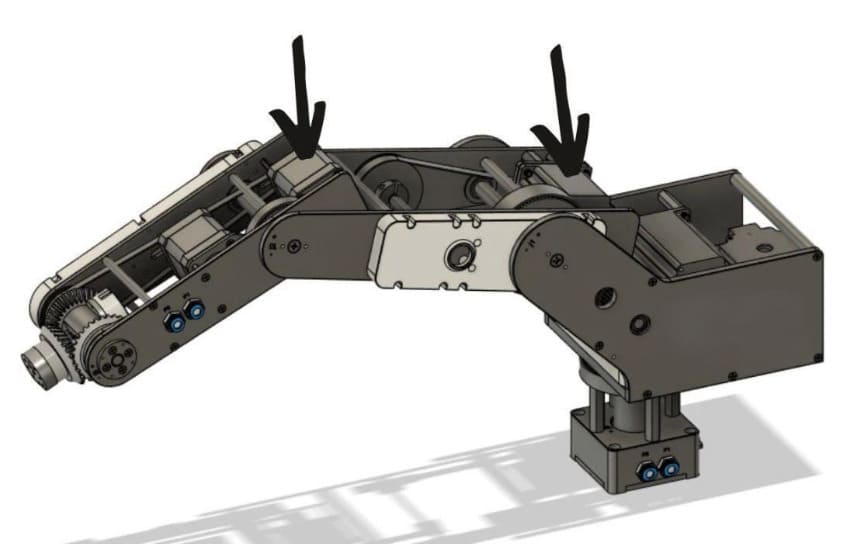
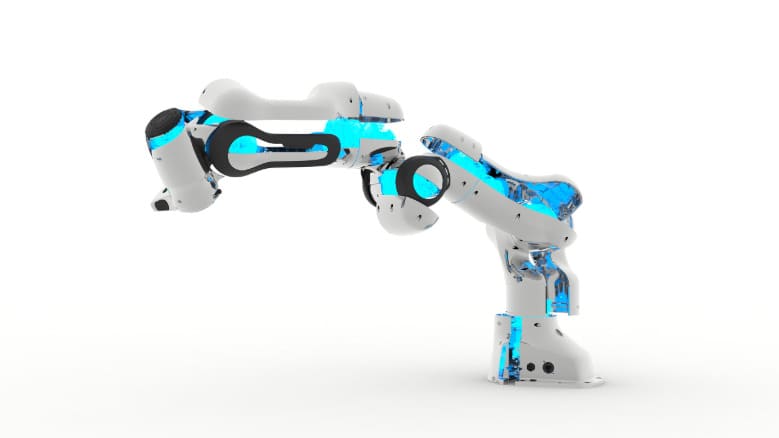
In simple terms a robot joint is an adjustable link that connects two non‐flexible robot segments just like human body joints. Often called axes these parts allow rotation as well as motion. To perform precise operations and to gain full flexibility, several industrial robots use six such joints.
Key Types of Industrial Robot Joints
Operationally, industrial robots place their joints into three essential types.
Elbow
The elbow links upper arm with forearm. Its movement promptly shapes lifting range and ability. If elbow travel is limited then the whole workspace shrinks. Retraction as well as extension come mainly from this joint.
Shoulder
Located near the base, shoulder joint mostly sets the robot’s workspace. Usually it is robot arm’s largest joint and it adjusts the amount of rotation around the base. As a result it has the greatest effect on how far the robot can reach.
Wrist joints
Found at arm’s tip, the wrist aligns the end‐effector or equipment. Usually three smaller joints inside the wrist provide yaw, pitch and roll. Modern designs even allow continuous 360° rotation which offers excellent flexibility for accurate changes & detailed operations.
Why CNC Machining is Very Important for Robot Joint Components
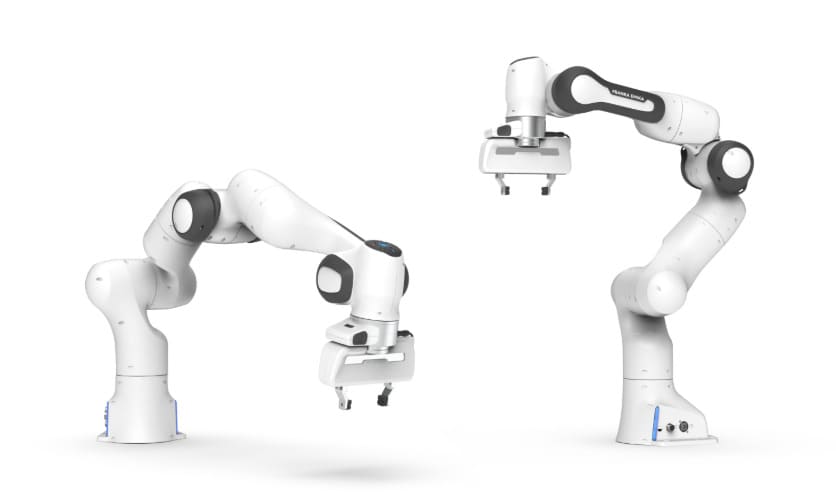
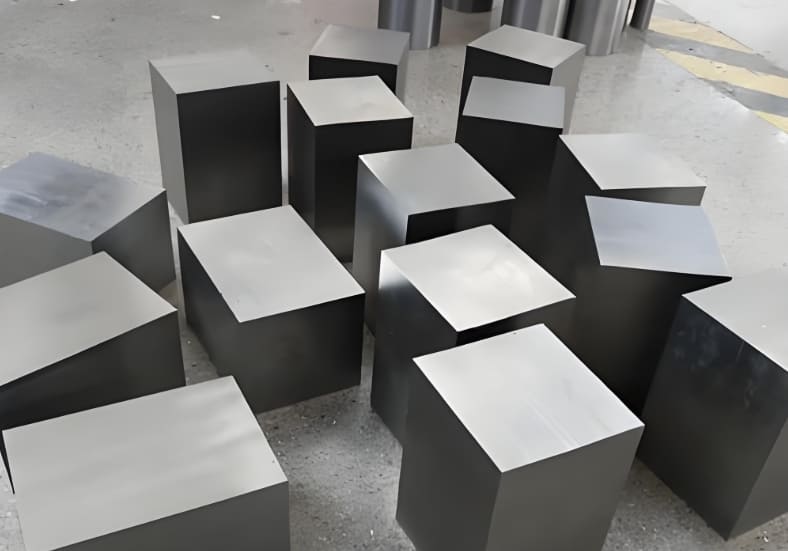
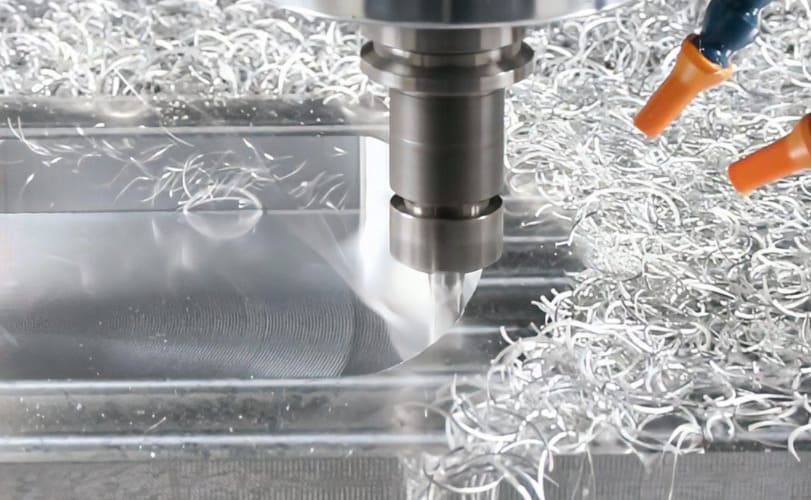
How robot joint parts are made mostly decides how well a joint works. Among manufacturing methods Computer Numerical Control (CNC) machining stands out as vital for numerous important reasons.
Great Accuracy and Repeatability
Using CNC equipment, manufacturers keep joint parts to tolerances as strict as ±0.005 mm. This strict accuracy allows efficient, reliable motion and lets robots repeat operations without any error.
Reliability and Strength Under Stress
While running, robot joints face compression, torsion and fatigue all the time. By machining parts from rigid stock, CNC processes make strong components that handle these stresses for millions of cycles.
Strict Tolerances and Detailed Geometry
Advanced robot joints often include very complex shapes such as hidden inner passages and curved surfaces. Multi‐axis CNC equipment can forms these shapes in one run, holding dimensions within ±0.01 mm. Keeping that tolerance guarantees perfect fits which leads to exact and efficient joint movement.
Main Parts of Robot Joints Produced with CNC
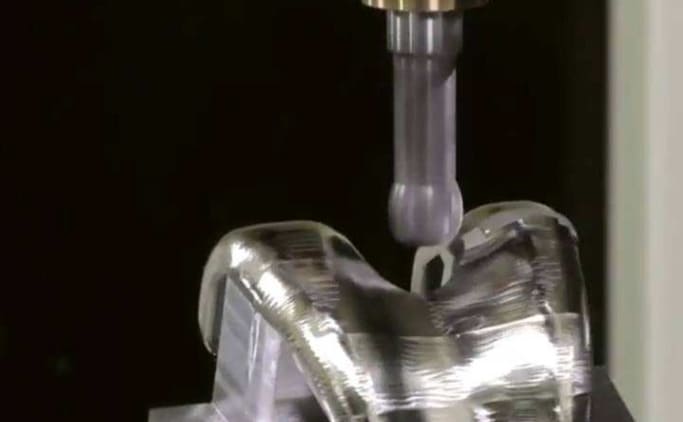
Robot joints reach extreme strength and accuracy because their essential internal components are produced with CNC machining. A number of important parts therefore depend on this procedure to meet stringent operational needs.
Motor Mounts, Encoders and Housings
Motors create motion whereas encoders report the joint’s exact coordinates. CNC‐machined mounts lock every motor in place with micron‐level precision. At the same time accurately cutted encoder housings secure delicate electronics and maintain correct measurements.
Bearing Housings and Bearings
By decreasing friction bearings keep each joint moving optimally & steadily. Moreover, to maintain ideal stability & alignment, the bearing housings must meet very strict tolerances. Manufacturers reach those strict tolerances with CNC machining to make these housings by cutting tough materials such as stainless steel to exact sizes.
Strain‐Wave Gearing and Gear Systems
To adjust both torque & speed, a joint uses gears. Operators use CNC equipment to cut ultra‐precise gear sets, specially strain‐wave gears, that give very steady motion with no backlash. Although each strain‐wave drive has only three main parts, their multi‐faceted, tight‐tolerance geometry makes CNC machining essential.
Brake Assemblies
When power is removed then brake assemblies hold robot arm steady which adds a vital safety layer. Each assembly includes many detailed parts, all produced on CNC machines, to allow adjustable and dependable braking.
Structural Parts
Links, frames and connecting blocks together form the joint’s skeleton. CNC methods shape these structures to stay both light and robust. The same procedure also permits detailed geometries that extend service life and boost efficiency.
Picking Suitable Material and Machinability
A robot joint works well only when its material fits the task. Engineers must evaluate weight, strength and expense against project’s specific needs.
Metals
- Aluminum Alloys such as 7075‐T6 reach a remarkable strength‐to‐weight ratio, helping agile robotic designs. Collaborative robots as well as high‐speed arms thus rely on these light metals.
- Steel: Steels such as 4140 alloy & 440C stainless mix high hardness with great longevity. High‐stress environments that need long fatigue life and extra toughness gain from these grades.
- Titanium: Grade 5 titanium combines great corrosion resistance with very high strength. Underwater, aerospace and medical robots usually pick this material for toughest joints.
Superior Materials
- PEEK: The specialty plastic PEEK replaces metal when low weight is essential. Notable thermal & chemical resistance makes it ideal for special electronic or medical parts.
- Si₃N₄: Silicon Nitride, a durable ceramic, provides low friction and very high hardness. Fine‐tolerance joints assemblies thus use it for wear parts and high‐end bearings.
Design for Machinability
Optimized manufacturing starts with designs that machine very easily. Engineers streamline each joint in CAD before machining. Removing deep, narrow pockets and selecting standard hole diameters often cuts cycle time. The result is accurately detailed joints manufactured faster and at lower price.
At RICHCONN engineers work closely with clients to fine‐tune CAD models. This balances machining expenses and performance for each joint.
CNC Procedures and Machining Plans
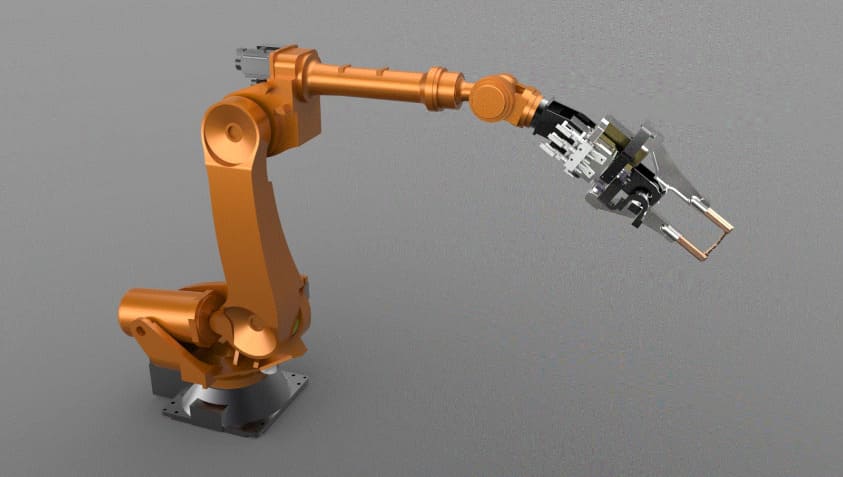
Accurate robot joint components result only when specialized CNC operations & plans are used. By using these approaches manufacturers guarantee that finished products adhere to stringent design and efficiency demands.
CAM Coding for G‐code Generation
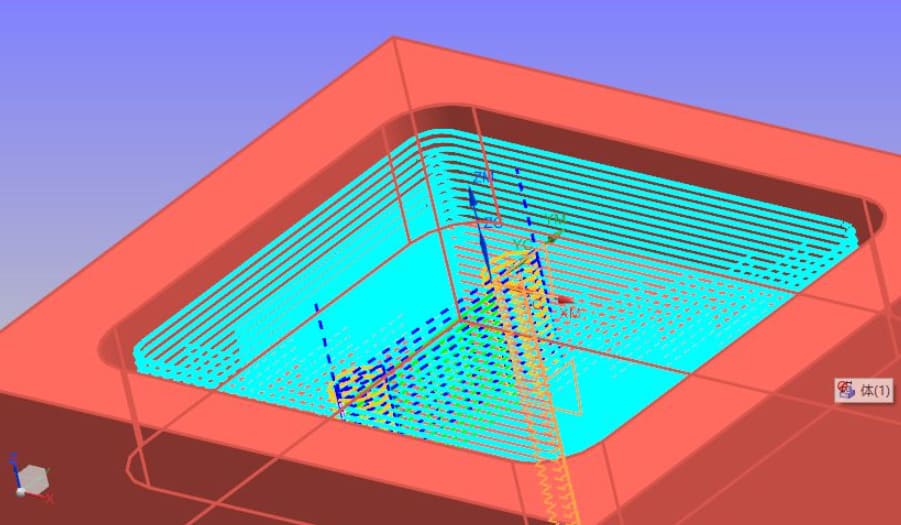
Computer‐Aided Manufacturing (CAM) packages convert your 3D models of joints directly into G‐code instructions. When the geometry gets complicated then software will also simulate toolpaths that reach internal structures. By running this simulation, programmers find potential tool clashes inside the component’s tight cavities.
Suites like Mastercam, GO2cam and Autodesk Fusion 360 further improve path efficiency during the same procedure.
Fixturing and Setup Planning
Reliable machining starts with fixtures that can grip every workpiece consistently and firmly. In multi‐part joint assemblies, engineers design custom fixtures specially to manage tolerance stack‐up. These devices maintain the exact spatial relationship among components such as mounting brackets and bearing housings. As a result features produced in different processes fit precisely at assembly completion; this eliminates any chance of backlash.
Multiaxis Machining for Joint Geometry
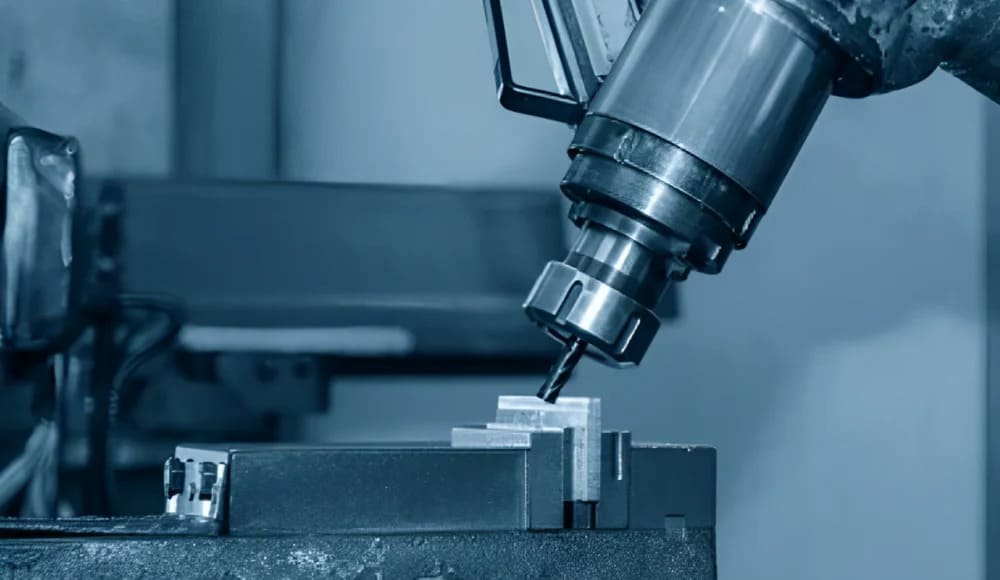
To form detailed joint geometries, shops must use modern machining technology. When making cycloidal discs or harmonic drive flexsplines, 5‐axis CNC equipment becomes essential. In a single run, the machine produces angled & curved features across several faces. Because the workpiece stays clamped throughout, positional correctness between gear teeth and bearing bores remains intact.
Surface Finishing and Tolerancing
Once primary machining ends then technicians move on to finishing operations. These follow‐up stages are essential for meeting specified dimensional tolerances and smoothness. By using polishing or grinding manufacturers can reach surface roughness values as low as Ra ≤0.4 µm.
RICHCONN provides a full range of finishing techniques which include hard‐chroming, anodizing as well as ultra‐precise polishing to make sure that joint parts work with improved durability & performance.
Confirming Performance and Quality
To make sure that accurately machined joints work as planned, teams depend on strict quality control.
Tolerance and Inspection Procedure
Quality inspection teams start by checking joint precision with high‐accuracy instruments specifically Coordinate Measuring Machines (CMMs). Surface profile and finish are checked with profilometers and laser scanners so each & every part meets tight tolerances. During machining, in‐process gauges give live feedback that keeps deviations within tolerance.
Material Wear and Surface Testing
Wear testing gives insight into expected lifespan. Engineers study lubricant test batches and watch friction levels while the joint runs. In addition surface hardness readings give another sign of operational life. Together, these checks show that the material handles prolonged stress without failing early.
Integration Verification
After assembly each joint will go through an operational integration test. Technicians mount the joint on a dedicated bench that copies realistic operating environments. Motion trackers and torque sensors gather load data to verify proper operation inside the larger robotic system.
Uses in Different Sectors
Aerospace
Aerospace manufacturers use robots to drill countless fuselage holes and to place composite fibers accurately. Such tasks demand precision offered by CNC‐machined joints which keep each & every part within stringent performance and safety limits.
Automotive
Automotive production lines use robots for quick welding, painting as well as assembly. Because their joints are accurately produced, parts land precisely and weld quality stays consistent as well; this ensures throughput and safety.
Surgical Robotics
Medical teams now use robotic systems to support slightly invasive procedures. Their CNC‐machined joints offer both flexibility and accuracy which let the robot mirror a surgeon’s precise hand movements and thus enhance results.
Picking a CNC Machining Collaborator for Robot Joints
In order to pick an ideal supplier you must focus on companies that show solid 5‐axis machining experience with reliable accuracy. Strong quality management systems along with certifications such as ISO 9001:2015 exhibit well‐managed production procedures. Before you commit, confirm that shop regularly meets ±0.005 mm or tighter tolerances on joint parts.
Richconn offers all these strengths by combining modern 5‐axis machines with design help and specialized project oversight. Thanks to our record in robot joint production your accuracy goals are correctly met.
To Sum Up
Advanced automation – from automotive assembly to surgical robotics – depends on CNC machining to deliver joints with needed strength, accuracy as well as detailed geometry. Selecting a skilled machining partner maintains durability, performance and long‐term dependability for these essential joints.
If you need any type of robot joint parts and modern production solutions then Richconn is the best option. You can contact us at any time.
Related Questions
Multi‐axis turning & milling shape important components whereas lapping and grinding finish them to defined specifications.
Robot joints usually require strict tolerances such as ±0.005mm. This level of accuracy is necessary for heavy‐duty load support and efficient movement
Manufacturers use equipment such as torque measurement devices, 3D motion trackers & angle analyzers to check and verify performance of joints.
5‐axis CNC machines manage intricate joint shapes from many directions in a single run. This technique greatly decreases production time and improves precision.
Yes it is possible. Despite the fact that continuum robots are built to be versatile, engineers can design and machine their joints with extreme accuracy to face minimum errors.
Manufacturing larger quantities of components divides setup expense into larger work orders. By doing so you can cut down price of your each individual Unit.