
Modern manufacturing needs careful handling when the material is soft such as plastics and some metals. Producing exact components without damage therefore becomes a clear challenge. This is where soft machining shines. In this blog post we will look at what soft machining is. We will also know about the suitable materials for soft machining as well as its advantages.
What is Soft Machining
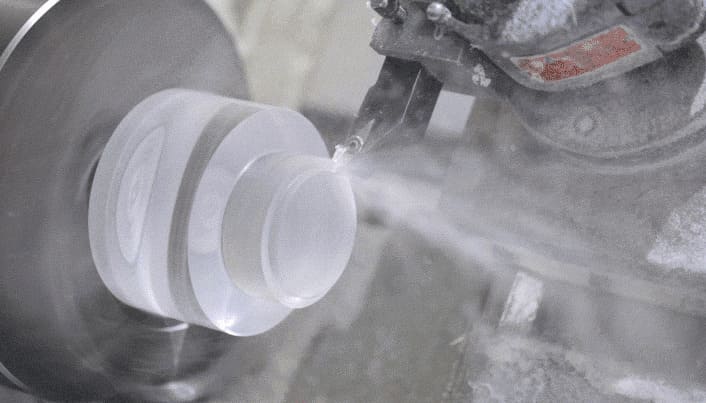
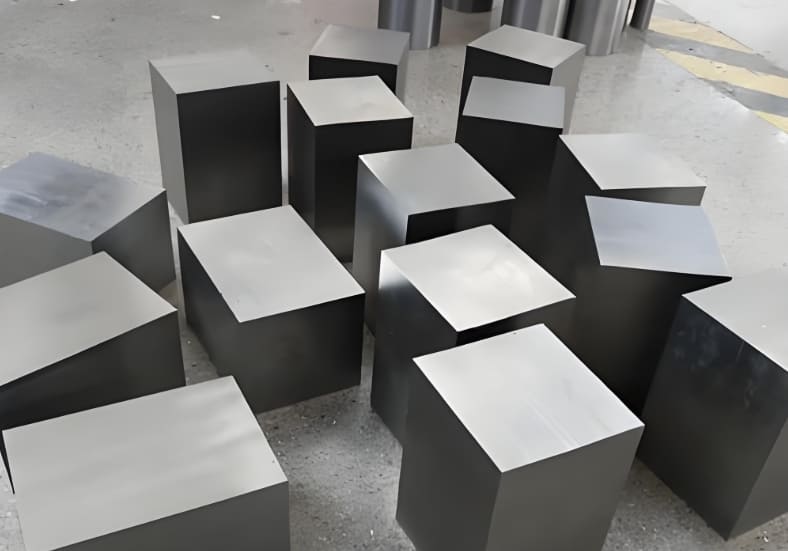
Soft machining is a precise method in which materials are shaped under low cutting forces. The cutting forces remain small therefore the process fits soft materials such as composites, plastics and certain non ferrous metals. Cutting occurs at lower temperature and pressure so thermal damage is avoided. As a result delicate parts keep their structural integrity.
Methods in Soft Machining
Several special techniques allow soft machining to shape workpieces gently yet precisely. Engineers choose a method after looking at both material properties and the needed result.
Milling
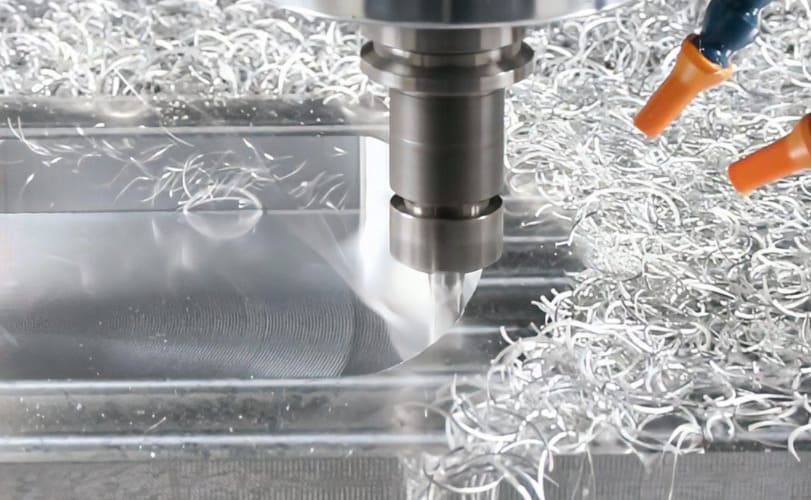
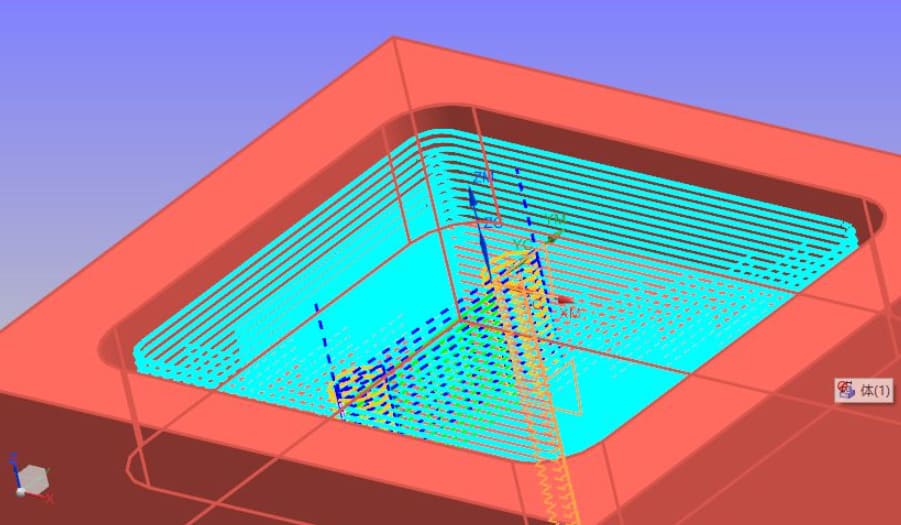
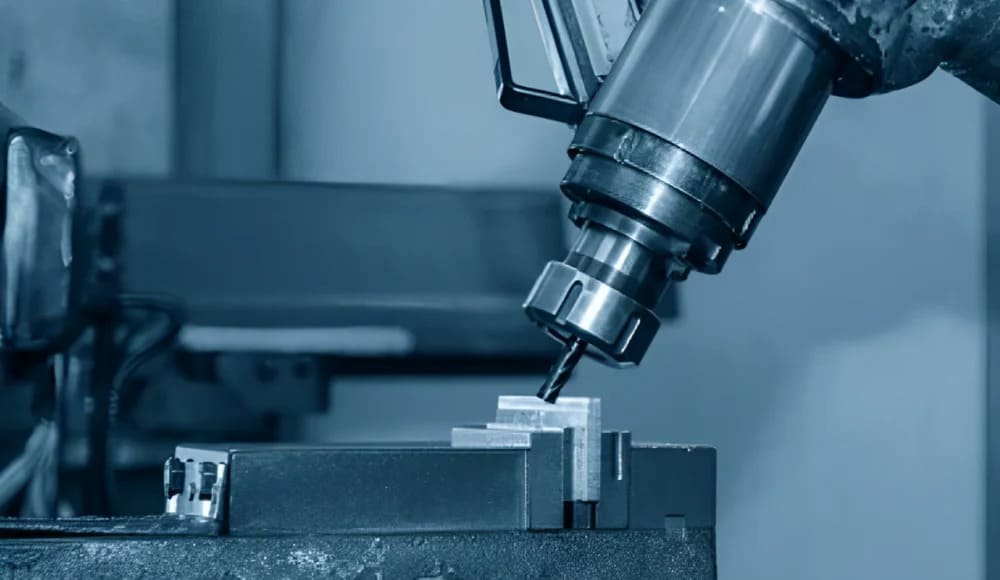
In the context of soft machining, milling removes material with sharp multi point cutters. Although spindle speeds remain high, the cutting forces stay low. Keeping forces down avoids workpiece distortion. The result is a smooth, precise surface on soft plastics and metals.
Drilling
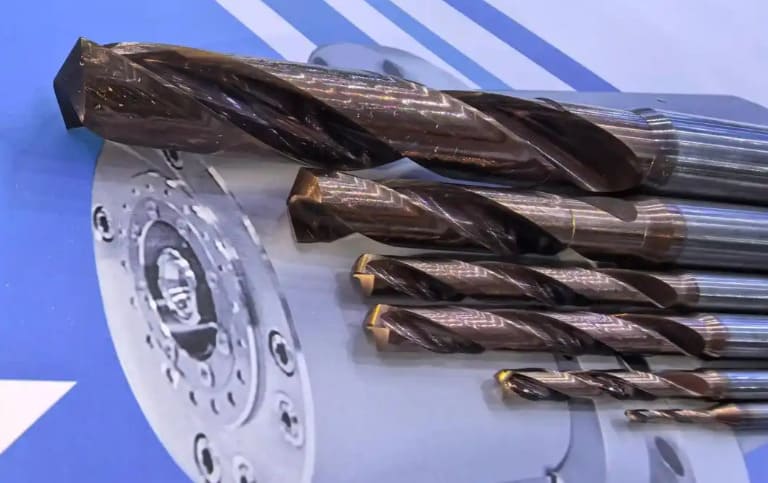
Drilling forms holes in soft materials while keeping damage to a minimum. Special bits fitted with very sharp edges are key for this task. These bits limit warping or melting by reducing friction & heat. This control is especially important when working with elastomers and plastics.
Grinding
Grinding uses an abrasive wheel to produce a very fine surface. For soft machining, operators prefer wheels that carry finer grits. These wheels skim away only very thin layers of material. As a result the part gets high dimensional accuracy without added stress.
Ultrasonic Machining
In ultrasonic machining, vibrations over 20 kHz power the process. The rapidly oscillating tool acts on the workpiece while it sits in an abrasive slurry. Very little heat builds up; therefore the method safely removes tiny chips from delicate or brittle materials.
Magnetic Field Assisted Finishing
Magnetic field assisted finishing directs abrasive particles with a controlled magnetic flux. Doing so creates very fine, consistent surface finishes. As a result engineers can get mirror quality polish even on intricate shapes or delicate parts.
Materials for Soft Machining
Soft machining handles a wide range of materials, each offering traits suited to particular uses.
Soft Metals
Soft machining excels with nonferrous metals such as aluminum, brass and copper. Their structure allows easy cutting, drilling as well as forming. Also these metals conduct heat well therefore they produce smooth, affordable surface finishes. Thus manufacturers use them for parts that need tight tolerances.
Plastics and Composites
Plastics are light and easy to machine but their poor thermal conductivity needs careful heat control. Composite materials offer low weight and high strength, although they usually need particular tools. With sharp cutting edges, both groups reach a smooth surface quality.
Elastomers
Elastomers—such as latex and rubber—can also be shaped with soft machining. But their high elasticity creates challenges. To achieve accurate sizes, engineers often use special methods like cryogenic machining.
Main Parameters of Soft Machining
Precision in soft machining depends on close control of key parameters that affect quality & efficiency. Cutting speed, feed rate and depth of cut are the three most important variables. Together, they decide cycle time, surface integrity and energy use. Balancing them is vital.
For example the selected cutting speed must leave a clean edge while avoiding heat that could damage the workpiece. Likewise choosing a shallow depth of cut supports tight tolerances and better finish, a result that is especially important for fragile materials.
Advantages of Soft Machining
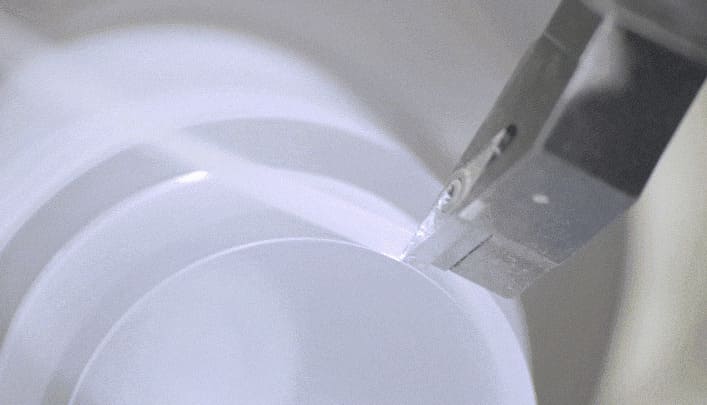
Soft machining offers several key benefits that make it a vital technique in today’s manufacturing.
Reduced Tool Wear
Low cutting forces place minimal friction and stress on the tool. As a result tools last longer, need fewer replacements and also can cut softer polymers and metals more efficiently.
High Precision and Surface Finish
The mild cutting forces allow fine detailing and create smooth surfaces. By using advanced finishing techniques—magnetic or shape adaptive processes, for example—manufacturers achieve extraordinary surface quality while preserving the material structure.
Minimal Thermal Damage
Soft machining produces much less heat as compared to conventional cutting. Therefore cracks, thermal distortion and surface burns are prevented— that is a key factor for plastics and other heat sensitive materials. Certain methods, including ultrasonic machining, run at almost ambient temperatures and leave parts almost stress free.
When components are made from especially sensitive plastics, our machinists at Richconn apply coolant or near-dry techniques to lower thermal risk even further.
Flexibility in Design
Fragile features, thin walls and intricate shapes can be cut safely. Therefore designers can create complicated parts without worrying about breakage or distortion.
Cost Effectiveness
Lower tool wear, shorter cycle times and simpler setups often make soft machining the most economical choice for prototypes and small batch production.
Uses of Soft Machining
By combining flexibility with high precision, soft machining serves many industries and supports a range of products.
Prototyping
When rapid, affordable prototypes are needed, this technique fits perfectly. Designers can evaluate concepts before investing in expensive large scale production. This advantage covers items from engine parts to consumer product mock‐ups.
Electronics
Electronics companies use soft machining to shape casings for laptops, smartphones and related devices. The same approach also makes heat sinks, printed circuit boards (PCBs) and other detailed components.
Medical Industry
Medical professionals rely on soft machining because it offers high accuracy and supports patient specific components. The process makes surgical instruments, orthopedic implants and diagnostic device parts for hip & knee replacements.
Automotive
Automotive manufacturers use soft machining when they need lightweight components. Examples include engine covers, interior panels and dashboards. Cutting weight in this way not only improves performance but increases fuel efficiency as well.
Consumer Goods
A wide variety of consumer goods is made with soft machining. The range runs from jewelry and musical instruments to furniture and household items. Manufacturers value the process because it delivers good‐looking designs and high quality surface finishes.
Challenges in Soft Machining
Soft machining offers many benefits, but a few challenges must also be handled to assure steady success.
Material Limitations
Hard or very tough materials—such as hardened steel, ceramics and super alloys—do not respond well to this technique. As a result industries relying on high strength parts find the process less suitable.
Surface Integrity
Even under medium pressure, some soft materials may bend, deform or warp. Securing them in clamps without damage is therefore hard. Chatter and vibrations may also occur. This hurts both dimensional accuracy and surface finish.
Tool Life
Tool wear is generally mild but over long runs, soft machining tools may still deform or wear out. Gummy metals including aluminum often stick to cutting edges, thus creating buildup and reducing performance. Therefore careful selection and regular upkeep of tooling stay vital.
At Richconn, we keep diamond‐like carbon coated cutters on hand. This stops sticking, and therefore gives clean results and reliable lead times.
Process Control
Tight parameter control is needed to achieve high precision. Soft materials react to heat therefore high temperatures may melt or soften them and lower quality. Thus machinists must fine‐tune feeds, speeds and cooling strategies to keep heat down.
Comparison: Hard Machining vs Soft Machining
| Aspect | Soft machining | Hard machining |
|---|---|---|
| Material hardness | Usually <45 HRC | ≥45–65 HRC (e.g., tool steels) |
| Cutting forces | Low; less stress | High; risk of chatter |
| Cutting speed | Higher; faster cycles | Lower to protect tools |
| Tool wear | Lower; longer life | Higher; frequent changes |
| Heat generation | Lower; minimal cooling | High; cooling essential |
| Surface finish | Good; may burr/deform | Excellent; tight tolerances |
| Cost per part | Lower for prototypes | Higher due to tooling and time |
| Typical materials | Aluminum, plastics, composites | Hardened steels, titanium |
| Best use | Prototyping, light duty parts | High-load, wear critical parts |
Conclusion
Soft machining provides both efficiency and versatility. It supports many industries by producing precise parts even from delicate materials. For expert soft machining services tailored to your project or for other advanced CNC operations you can definitely trust Richconn. You can contact us anytime.
Related Questions
Soft machining works best on plastics such as ABS, acrylic and nylon. Non ferrous metals like copper, aluminum as well as composites also machine well.
Yes. Soft machining regularly holds tolerances as tight as ±0.005 inches.
Tool life generally improves with soft machining because the workpiece resists the cutter less. Lower friction reduces stress therefore wear drops and replacements are needed less often.
Yes it can be automated. When CNC systems control the process, machines run faster and nearly nonstop which increases productivity. Automation also boosts consistency, improves precision and delivers flexible, scalable output with minimal downtime.
Yes. Limits appear when the material is hard such as hardened steel or ceramics. Also, soft substrates may deform easily and unmanaged processes can speed up tool wear.