
For the success of any solar panel, wind turbine or hydro system it is very important to have carefully designed parts that guarantee its reliable functioning. These parts, known as renewable CNC machine components, are made using very advanced machining methods.
These parts are very important in the renewable industry to keep the machines long-lasting, highly efficient and environmentally friendly. In this blogpost, we will explain how they are made and which materials they use. We also cover their importance, typical applications and main challenges faced.
How Renewable CNC Machined Parts Are Made?

Making renewable CNC machined parts involves a careful and organized manufacturing process. During this process, digital models are turned into durable, high performance components.
Step by Step CNC Machining Workflow
1. CAD Design
By using software like Autodesk Fusion 360 or SolidWorks, engineers first build a detailed 3D model that details every geometric feature.
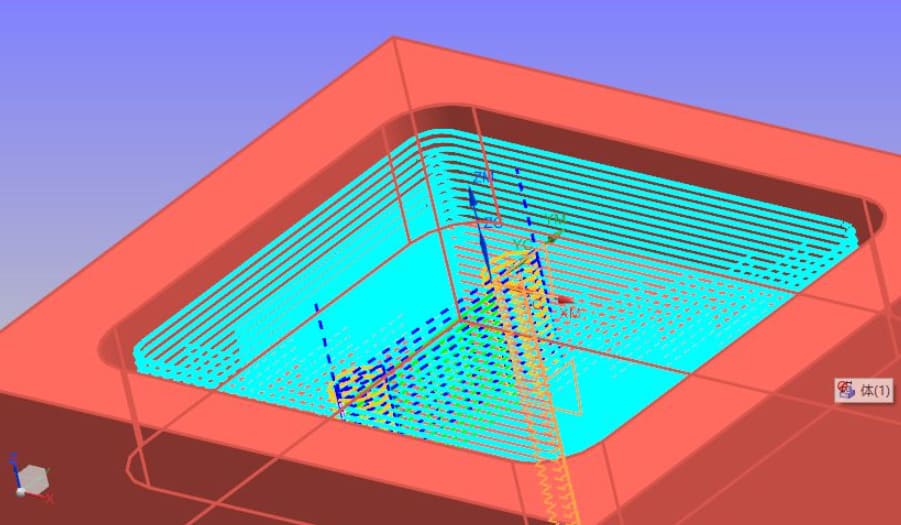
2. CAM Programming
Next, CAM programs—Mastercam, for instance—translate the model into G-code. This numeric file sets spindle speed, toolpaths and feed rate.
3. Machine Setup
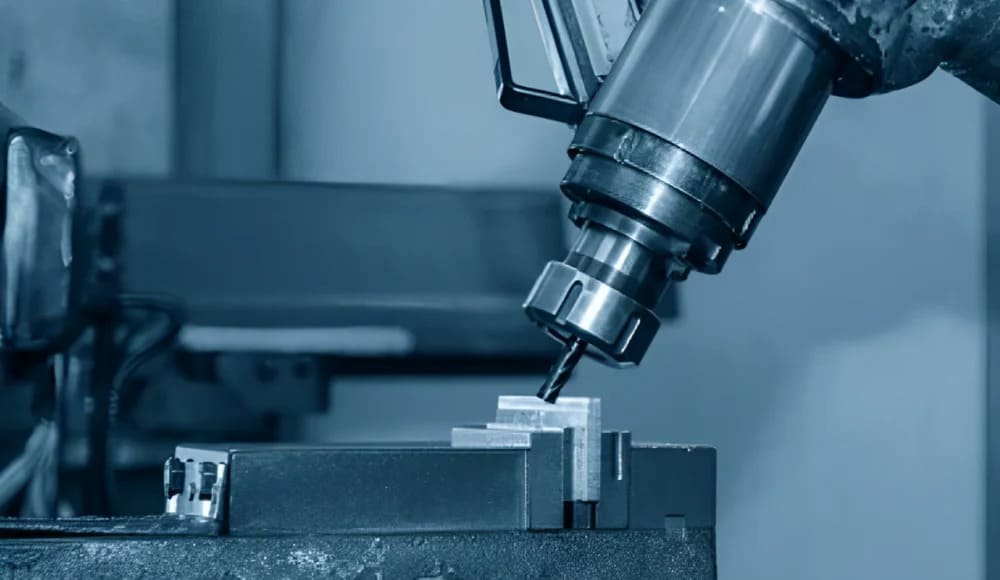
A trained operator prepares the CNC unit. They clamp the stock and install the required carbide end mills. Afterward the machine is set to match the coordinate system of the model.
4. Execution
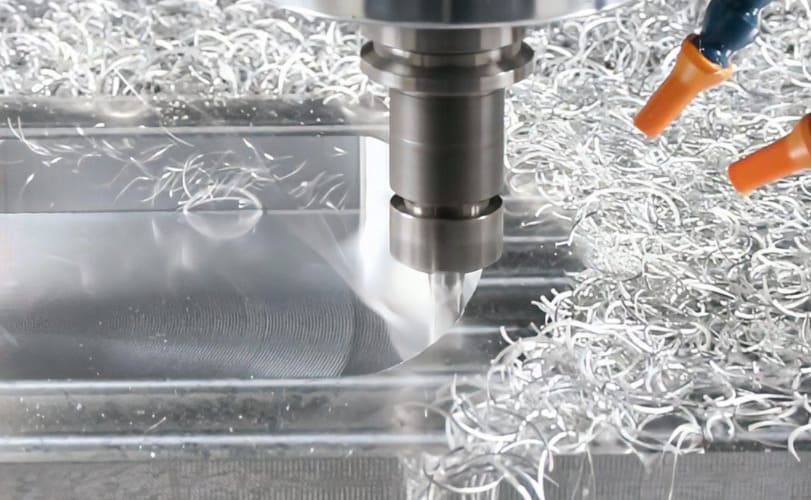
Guided by the G-code, the CNC machine performs multi-axis turning or milling. They remove material accurately until the part is made.
5. Inspection
At the end inspectors give the finished part a thorough check. This step confirms that every quality requirement and design specification is met before it is approved for use.
Tooling & Energy Efficiency
Sustainable machining relies heavily on the tooling that you choose. Carbide tools, with high-speed machining (HSM) toolpaths and low-friction coatings, help lower power use and cut cycle time. Moreover machines designed for energy efficiency use regenerative drives that recover energy when decelerating. This process cuts down the overall carbon emission by reusing captured energy.
Quality Control & Precision Standards
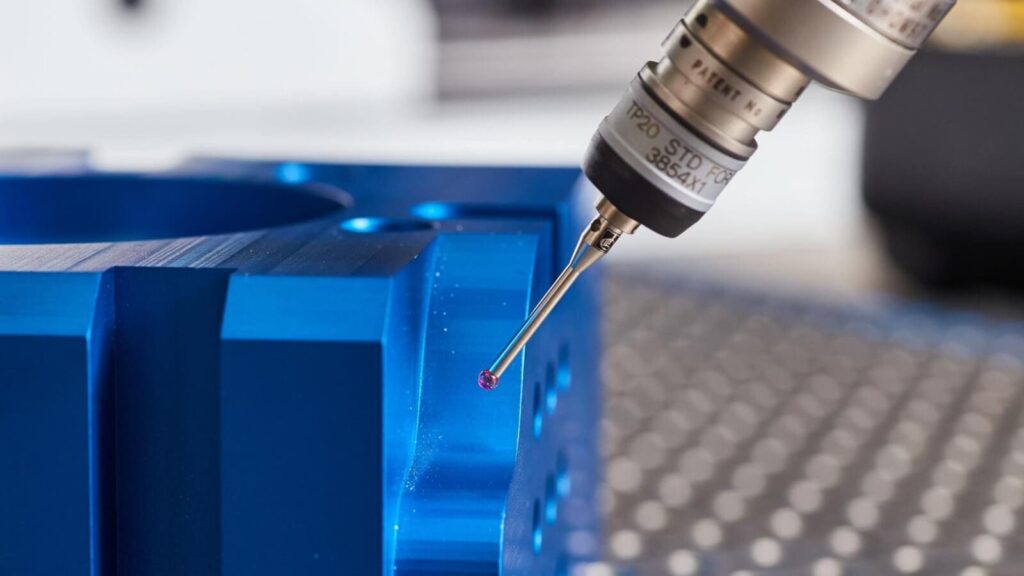
Strict quality checks make sure every part meets its specified criteria. Engineers verify dimensions with coordinate measuring machines (CMMs). These systems check tolerances down to ±0.001 inches. As a result components remain reliable and perform as required.
Material Choices for Renewable CNC Parts
Choosing the right material directly affects sustainability and performance in renewable energy parts. It also impacts everything from service life to overall cost.
Trade-offs to Consider
Several key factors must be balanced by engineers:
• Strength: Materials we choose must be strong enough to withstand operational stresses and avoid failure.
• Weight: Using lower weight improves efficiency particularly for moving assemblies like turbine blades.
• Corrosion Resistance: High corrosion resistance is necessary for parts that face harsh environments to help them last longer.
• Machinability: Some materials machine more readily which can shrink production cost and time.
Suitable Materials for Renewable CNC Machined Parts
Specific renewable applications need specific material choices.
Metals
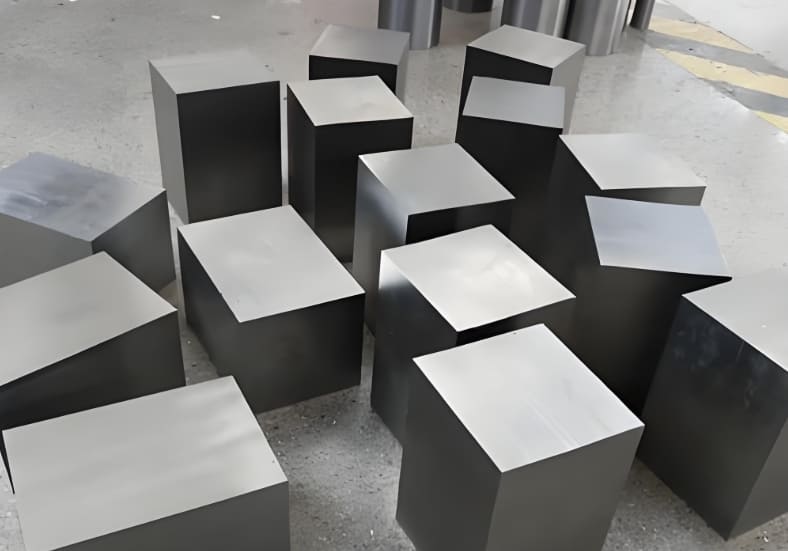
Designers often turn to metals because of their long service life and high strength.
- Stainless Steel: Using grades such as 316L guarantees excellent corrosion resistance. This makes them a good choice for hydropower sites or offshore wind farms.
- Steel Alloys: These high-strength grades are used when top durability must be the priority.
- Aluminum: When alloys like 6061 are chosen, components remain light, machine easily and resist corrosion. They are particularly suitable for structural parts and enclosures.
- Titanium: Titanium has a high strength-to-weight ratio. However machining it is both challenging and costly.
Polymers & Plastics
In certain cases, some advanced polymers can replace metals. They cut weight while resisting chemicals.
- PEEK: This polymer handles temperatures up to 250 °C which suits harsh operating conditions.
- Nylon: Nylon is tough and has low friction. Mostly it is used in bushings and gears.
Composites
Engineers use composites when unique property combinations are needed.
Carbon & Glass Fiber:
These fibers combine very low weight with high strength. Manufacturers often use them for large parts like wind-turbine blades.
If choosing a material still feels uncertain, then feel free to contact Richconn. Our engineers will help you balance performance with cost and find the best option.
Importance of Tolerances & Precision in Renewable CNC Machined Parts
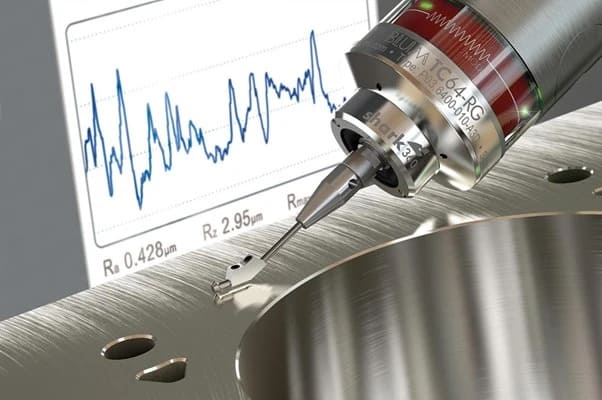
In renewable systems, precision shifts from a preference to a must-have requirement. Tight tolerances in CNC components have a direct impact on lifespan, efficiency and overall output. Even small errors can cause problems. To illustrate this point, let us examine wind turbines.
Gearbox parts that are machined out of spec introduce vibration, accelerate wear and shorten service life. Solar panel mounting brackets also need precision. Small mistakes in their shape and size can affect alignment and lower energy output over time.
The Sustainability Benefits of CNC-machined Parts
Sustainable CNC machined components benefit both your environment and project. Those gains range from cutting waste to extending the product lifecycle.
Energy Efficiency in Machining Processes
Modern CNC equipment operates with lower power needs. Regenerative drives, for instance, recover braking energy and return it to the grid. By shortening idle time through smoother workflows, shops cut a part of energy use that would otherwise be large.
Life Cycle and Durability
Components created by CNC machining, especially when high-grade materials are used, are both long-lasting and strong. Because the process gives tight tolerances, each piece has a longer service life and will need fewer replacements. This means resources stay saved across the product’s full operating life.
Waste Reduction & Material Recycling
Because precision CNC machining delivers very accurate cuts, material waste is kept low from the start. Cutting paths become more efficient when CAM software optimizes them; and smart nesting technology arranges parts so scrap stays low. Moreover off-cuts and metal chips can be recycled which supports a circular economy.
Design for Sustainability (DfS) & Circularity
With CNC technology, manufacturers can make complex components that are purposely designed for sustainability. Engineers can shape parts in such a way so that repair, reuse and eventual recycling stay simple. Keeping materials in use instead of throwing them away pushes the circular economy forward.
Environmental Regulations & Standards
Using sustainable CNC practices helps companies meet strict environmental rules. Because waste and energy use stay low, operations match standards like ISO 14001. As a result partners and customers see the brand as environmentally responsible.
At Richconn, every workflow meets ISO 14001, REACH and RoHS standards which eases global compliance for our renewable energy clients.
Main Applications of Renewable CNC Machined Parts
Across the renewable energy industry, CNC-machined components remain essential because they boost reliability and efficiency in many applications.
Solar Energy Infrastructure
Solar projects use CNC machining to make tracking systems and mounting brackets. Moreover it produces heat sink parts and inverter enclosures – both vital for thermal solar setups.
Hydropower Plants
Hydropower plants need strong, sizable parts like turbine runners, casings and shafts. CNC machining shapes these components from stainless steel. The finished parts can withstand high water pressure and help generate power efficiently.
Wind Energy Systems
Large, accurate wind turbine parts are produced using CNC machines. Among them are gearbox components, turbine hubs and nacelle enclosures. Each part meets strict tolerances to guarantee reliable operation.
Green Transportation & Energy Storage
Sustainable transportation also uses CNC machining which delivers precise energy-storage components. Detailed cooling systems & battery housings are two examples. These components are essential for large-scale battery storage systems as well as for electric vehicles.
Technical Challenges & Their Solutions in Renewable CNC Parts Manufacturing
CNC machining performs an important part in renewable energy yet the process brings many technical challenges. To deliver efficient and reliable parts, it is very important to solve these challenges.
Scaling Up for Large Components
Maintaining tight tolerances over the wide surfaces of wind turbine hubs or other large parts is difficult. Manufacturers often split these very large pieces into manageable segments which they later join. Another option is on-site or modular machining where the component is built at the installation site.
Machining of Difficult Materials
Composites and high-strength alloys are common in renewable energy equipment. Their abrasive nature speeds up tool wear, raises costs and may cause issues such as delamination. Manufacturers therefore turn to high pressure coolant and special tool coatings to keep temperatures under control. By using these methods, they protect surface quality and extend tool life.
At RICHCONN, we combine toolpath optimization with diamond tooling and high pressure cooling to improve tool life and to produce smooth finishes on tough alloys and composites.
Cost vs Sustainability Trade-Offs
Adopting eco-friendly methods may increase upfront costs by 20–30 percent because advanced equipment and sustainable materials are required. Over time, though, that initial spending tends to generate savings. Parts that run efficiently and last longer need less maintenance and stay in service longer so overall costs go down.
Quality Control & Repeatability
Renewable-energy components must be produced with high consistency to ensure performance and safety. But it is not easy to reach that consistency. Manufacturers therefore rely on digital feedback loops and automated in-process inspection. These methods keep quality steady during large production runs.
To Sum Up
The progress of renewable energy depends, in part, on modern CNC machining. By offering outstanding durability and precision, CNC processes help solar, wind and hydropower components perform reliably. When eco-friendly practices are used, the approach becomes even more valuable to the industry.
If you need custom parts for renewable projects then RICHCONN is your best option. You can contact us anytime.
Related Questions
At a minimum every shop needs ISO 9001 for quality management. Project specifics might also require UL listings for solar assemblies and IEC 61400 for wind equipment.
Expect prototypes in only a few days. However full scale runs, depending on part complexity, typically need 4 to 6 weeks.
Pricing depends on material choice and geometry. Simple pieces don’t cost much but advanced alloys and complex shapes really add up.