
Most methods for marking text on products have drawbacks. For example paint can chip away; stickers often wear or peel off; etched marks may not be deep enough. Text milling is a solution to all these problems. It cuts precise, durable, permanent characters straight into the material.
In this blogpost you will learn how text milling works, discover its main benefits, get design tips and see how it is used in real world situations.
What is Text Milling
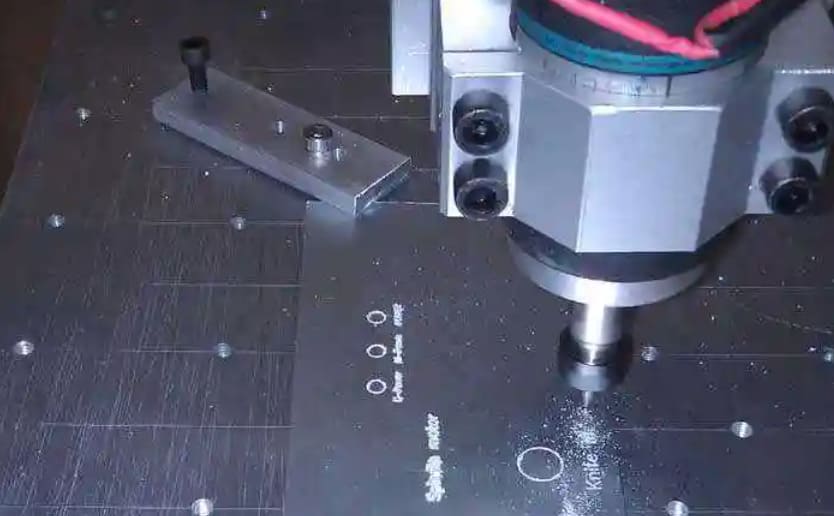
Basically text milling is a process of engraving text, logos, numbers onto a part using a CNC machine. In this process, a rotating cutting tool is used that follows programmed instructions to carve the design into the surface. This method creates highly accurate and permanent markings and it is therefore suitable for part numbers, logos and branding.
Text Milling Process – Step by Step
The text milling process essentially transforms a digital design into a physical engraving and it is accomplished through a deliberate, multi step process. Each individual step depends on the previous one in order to maintain both quality and accuracy.
CAD / Design Stage
First designers typically use CAD software like CorelDRAW or AutoCAD to create the digital text designs. They then choose font styles, set exact dimensions and also specify where the text will go. After that, designers convert the text into vectors so that the design properly matches the needs of machines. What this stage does is define all important details such as character depth, height and the overall layout.
CAM / Toolpath Generation
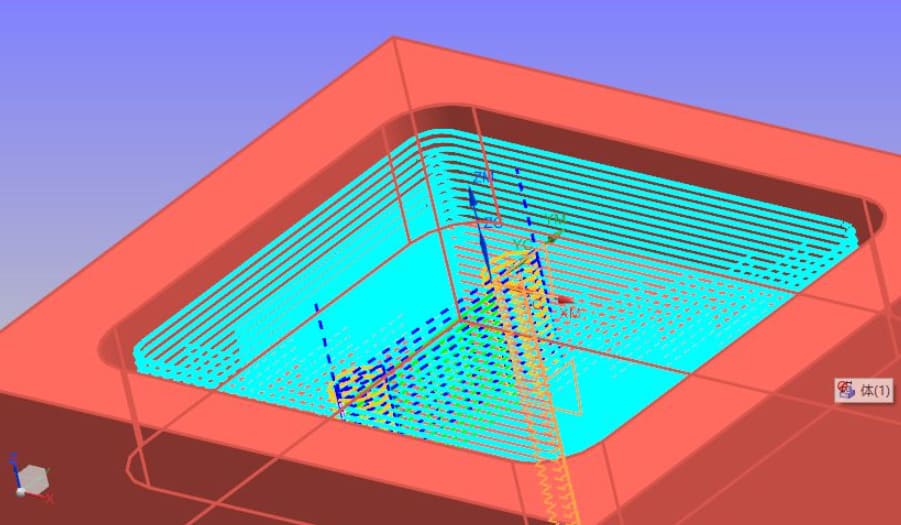
After the design is completely ready, the CAD file then moves into CAM software. The CAM program, which plays an important part here, changes the design into G-code. This specialized code tells the CNC machine how to move the cutting tool, how fast to go and also how deep to cut.
Machine Setup
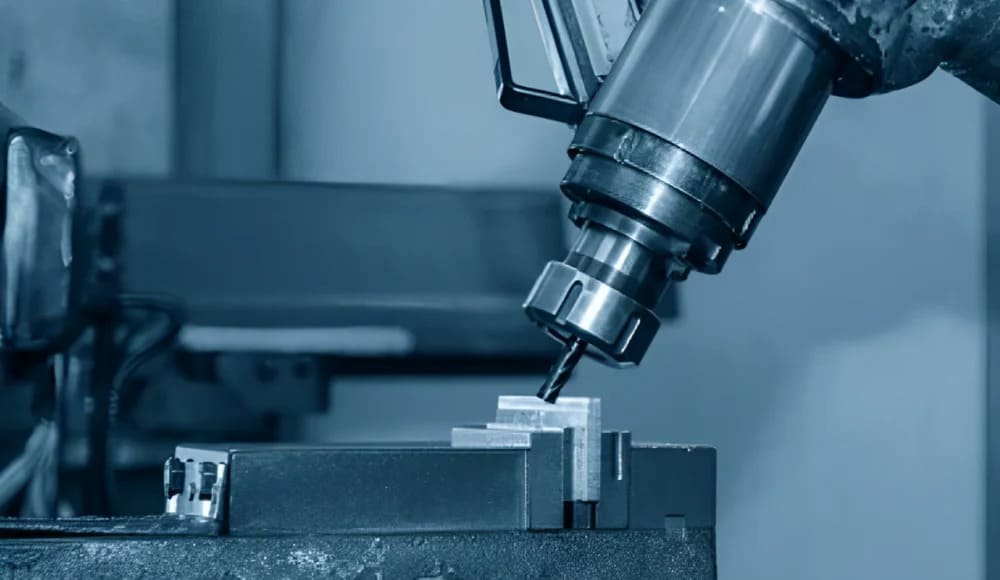
Before actual machining starts, the operator carefully prepares the CNC machine. The workpiece is clamped securely to the table so that it does not move. The operator also installs the correct engraving tool—generally a 60-degree V-bit—into the spindle. Such careful setup keeps the process precise.
Engraving / Milling Execution
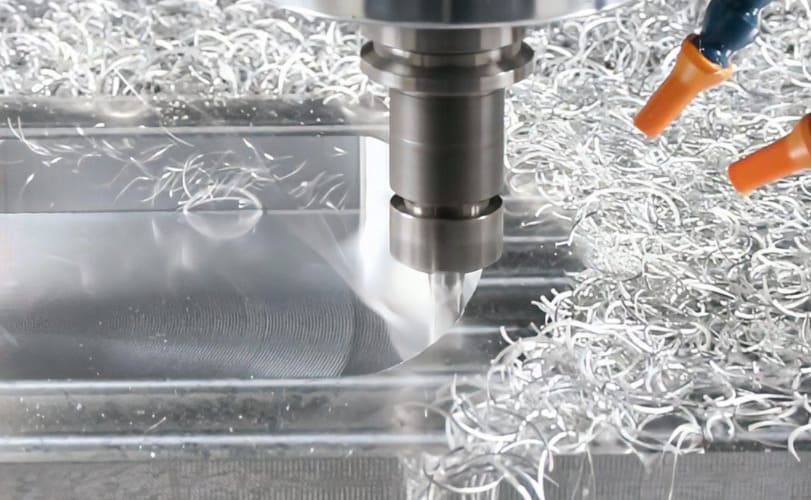
With the setup fully finished, the machine then reads the G-code and begins the work. The rotating tool precisely follows the programmed path and removes material in order to engrave the text onto the surface. Automation at this stage produces uniform results.
Post processing & Finishing
After milling ends, the part may still need additional finishing steps. These steps can include cleaning off coolant or chips and also deburring sharp edges to give a smooth finish. The result is then a professional and neat looking part.
At RICHCONN we also provide finishes like sandblasting, anodizing or color infill. These available options make the engraved text both visually appealing as well as highly accurate.
Design Considerations & Best Practices
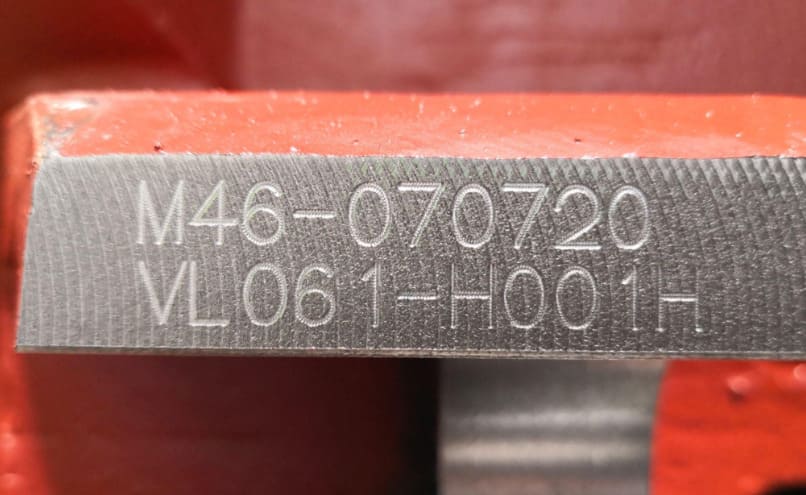
Thoughtful planning at the design stage is very important for producing text that remains durable and clear. By following the recommendations below, designers can create designs that machines can engrave easily & efficiently.
Choice of font
For text, use clean and simple typefaces. Sans-serif fonts like Helvetica or Arial work best. Their even stroke widths are compatible with capabilities of cutting tools. Serif fonts should definitely be avoided. The reason is that their small decorative strokes are difficult to accurately reproduce with machining tools.
Spacing between letters
Leave enough space between letters so that the cutting tool can move freely. Plan at least 0.5 mm of clearance between each character. This spacing helps produce text that is both easy to read and clean.
Minimum sizes
Set the font in your CAD file to 20 points or larger so letters stay easy to read. Specify character heights between 2.5 mm and 5 mm. Aim for a text depth of about 0.3 mm. This depth does provide both good durability and visibility.
If you need any confirmation then Richconn provides complimentary design-for-manufacturing reviews to ensure that the spacing and depth of your chosen font can be milled dependably.
Raised vs recessed text
Choose between raised and recessed lettering. Recessed text is generally less expensive and also uses less material. Raised text, on the other hand, provides better resistance to wear and is more clearly visible.
Material surface
Before placing text, always check the surface finish of the part. Avoid uneven or rough areas. These surfaces can distort the engraving and also lower the quality of the final result.
Materials Suitable for Text Milling
Text milling can work with many different materials. Each type of material has unique properties of its own. It is these differences that make them suitable for a variety of uses.
| Material Group | ||
|---|---|---|
| Metals | Stainless Steel, Aluminum, Brass | Provide outstanding durability and contrast. Materials with good ductility are ideal . |
| Wood & Composites | MDF, Hardwoods, Carbon Fiber | Provide a classic or modern aesthetic. Hardwoods produce clean, crisp lines. |
| Plastics | Delrin, Acrylic, Polycarbonate | Are easy to machine for clean text. Proper speed prevents melting . |
Benefits of Text Milling
1. Precision & repeatability
CNC machines engrave text with extremely high accuracy, reaching tolerances that are as close as 0.005 mm. Because every pass is computer-controlled, human error disappears and each part gets identical markings.
2. Durability
Text milling creates markings by carving them directly into the part. These markings stay permanent and strongly resist wear. Unlike labels or ink-based markings, they simply do not fade or get removed over time.
3. Aesthetic quality
The process leaves even depths and sharp edges so logos and text look professional and clean. This clarity increases both the component’s look and its apparent value.
4. Flexibility
Text milling can work with many materials which include plastics, metals and composites. Software adjustments do allow for quick design changes. The process conveniently fits both single prototypes and also large production runs.
5. Branding
Brand names or permanent logos can be added to products. This directly strengthens product identity and also makes it easier to recognize the item. Moreover it helps prevent unauthorized copying of parts.
Applications of Text Milling
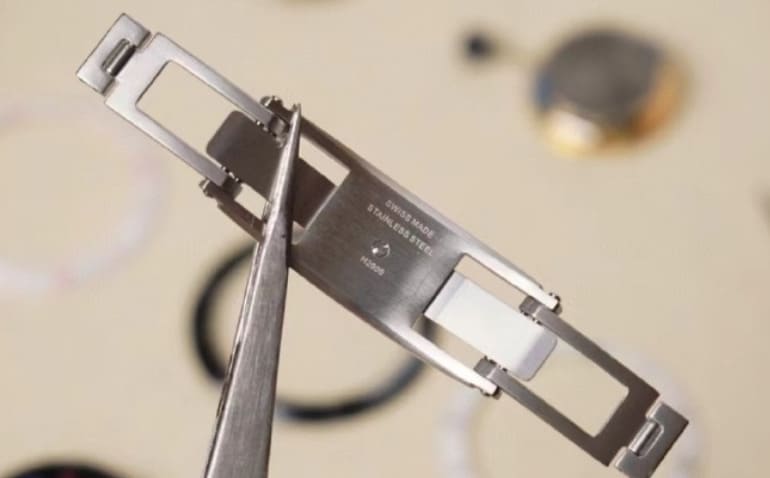
Text milling provides precision and lasting results that make it useful in many different industries. It serves both basic identification needs and also advanced branding for different products.
Consumer Goods
Text milling gives consumer products a consistently high quality finish. Brands embed permanent logos on gadgets, electronics and related items. The clear markings improve the product’s value and also help maintain brand identity.
Aerospace
Aerospace teams depend on text milling when labeling vital pieces. Fuselage and engine sections, for example, receive identification numbers that survive harsh operating conditions and remain readable throughout the aircraft’s service life.
Industrial & Mechanical Parts
Industrial components often need direct engraving of information. Part numbers, serial numbers and safety warnings are all added in this way. These durable marks guide assembly and support traceability on machine parts and control panels.
Automotive
Text milling marks transmission cases, engine blocks and chassis parts in the automotive industry. These marks help with manufacturing, assembly and ongoing maintenance. The process also creates prototypes for new vehicle components quickly and with high precision.
Medical Devices
The medical-device industry depends heavily on text milling because regulations demand full traceability. Implants and surgical tools receive permanent, contamination-free marks. With those identifiers in place, each device remains traceable; this ensures regulatory compliance and patient safety.
Custom Fabrication & Prototyping
During product development, engineers label later prototype versions using text milling. Clear labels make it easy to follow design revisions and iterations. It also works well for one-off, custom components that need branded or personalized text.
Limitations, Challenges & Solutions
Text milling produces quality results but manufacturers still face several operational challenges that need specific solutions.
- Costs and production time can rise because small endmills, which are needed for engraving, operate at slower speeds and therefore extend machining cycles. Designers can reduce these issues by using recessed text instead of raised text and by choosing larger fonts. This approach both removes less material and is more cost-effective.
- Detailed text milling causes tools to wear out faster which leads to frequent tool changes and subsequent production delays. At RICHCONN we address this by using optimized cutting strategies and also high quality coated tools. These steps maintain precision and help manage costs.
- Excessive heat, particularly in thermoplastics like ABS, may cause deformation and leave a rough finish. Lowering cutting speed and integrating strong cooling keep temperatures under control and protect the workpiece from damage.
- Standard CNC machines struggle with complex fonts that have tight curves. Designers can solve this by selecting simple, bold fonts and by leaving enough space between characters. This ensures that tools can properly access and engrave the text.
Comparisons – Text Milling vs Other Engraving/Marking Methods
Every project has unique needs for speed, durability and material compatibility, so the best marking approach varies as a result. The table below gives a brief side-by-side look at the most popular options.
| Method | How It Works | Durability | Key Feature |
|---|---|---|---|
| Text Milling | Physically cuts into the material with a tool. | Permanent, resists wear. | Creates deep, tactile engravings. |
| Pad Printing | Transfers ink from a pad onto the part’s surface. | Low; can wear off over time. | Great for adding color to uneven surfaces. |
| Laser Engraving | A laser vaporizes the surface to make a mark. | High but often shallow. | Excellent for fine details and speed. |
To Sum Up
In short, text milling is a reliable way to create markings that last and remain precise. It offers a clean appearance, strong durability and consistent traceability across many sectors.
If you need professional engraving on your parts, contact Richconn for a quote and let us turn your design into a finished product.
Related Questions
Engraving should be done at the depth 10% or less of the total thickness of the material in order to maintain its strength.
It is best that milling be completed before adding any coating or paint. Milling after finishing can highlight the text but may also harm the surface.
A sans-serif typeface set to at least 20 points generally delivers readable, clean results.
Yes text milling is challenging on very hard metals such as titanium as well as on brittle materials and on plastics like ABS, Vinyl or Styrofoam.
CNC routers, CNC milling machines and also dedicated engraving machines are commonly used for this process.